


We are a multidisciplinary team that develops precise, creative, and sustainable solutions for the entire infrastructure life cycle.
We face tomorrow's challenges with passion and vision
At SOCOTEC, we have more than 40 years of experience in the sector and are proud to offer expert testing, inspection and consulting services for construction and infrastructure, always from a sustainable and innovative perspective that promotes integration and a multidisciplinary approach.
We work together with you to build a more resilient future
In all our activities and areas of operation, we are dedicated to fostering the resilience of the built environment. Our focus lies in decarbonization, circular economy, and sustainability, actively contributing to the goals set by the United Nations and the 2030 horizon.
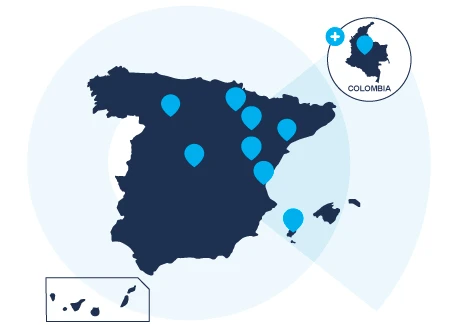
SOCOTEC in Spain and Colombia
At SOCOTEC, we are experts in testing, inspection and consulting for construction and infrastructure. We have been operating throughout Spain for more than 40 years. SOCOTEC is also present in Colombia, where we have been active nationwide for more than 20 years.


We are SOCOTEC

Get the latest updates about SOCOTEC, subscribe to our newsletter !
News & Projects

Quins assajos són necessaris per obtenir la certificació LEED i Passivehouse?

En la construcció moderna, l' eficiència energètica i la sostenibilitat són aspectes clau que es reflecteixen en la creixent adopció de certificacions com Passivehouse, LEED i altres.
Aquestes certificacions no només garanteixen la qualitat i l' acompliment energètic dels edificis, sinó que també ajuden a reduir el seu impacte ambiental i millorar el confort dels ocupants. Per complir amb els rigorosos requisits d' aquestes certificacions, es realitzen una sèrie d' activitats en obra que són fonamentals per assegurar que l' edifici compleixi amb els estàndards establerts. Entre aquestes activitats destaquen el Blower Door Test, les inspeccions termogràfiques i el commissioning d'instal·lacions HVAC.

Certificació Passivehouse
Per a Passivehouse, l'hermeticitat és crucial, ja que un dels pilars d'aquesta certificació és la reducció del consum energètic mitjançant un control rigorós de les pèrdues tèrmiques. Un edifici que no passi l'assaig de Blower Door Test tindrà dificultats per complir amb els estrictes requeriments de Passivehouse.

Certificació LEED
En el context de certificacions com LEED, les inspeccions termogràfiques o el col·laping d'Instal·lacions HVAC ajuden a demostrar que l'edifici compleix amb els estàndards d'eficiència energètica. A Passivehouse, són crucials per verificar la correcta implementació dels detalls constructius que asseguren l'hermeticitat i l'aïllament tèrmic.
Blower Door Test: Garantint l'Hermeticitat de l'Edifici
El Blower Door Test és una prova essencial en els edificis que busquen obtenir la certificació Passivehouse, tot i que també és rellevant per a altres certificacions com LEED. Aquesta prova mesura l' hermeticitat de l' edifici, és a dir, la quantitat d' aire que s' infiltra a través dels envolupants de l' edifici, com parets, sostres i finestres.
Com funciona el Blower Door Test?
El procediment consisteix a segellar l' edifici completament i usar un ventilador muntat en una porta exterior per crear una diferència de pressió entre l' interior i l' exterior. Després, es mesura la taxa de fuga d'aire. Un edifici amb alta hermeticitat tindrà una taxa d' infiltració baixa, la qual cosa significa que és eficient en la retenció d' energia, ja que minimitza les pèrdues de calor o fred.
TERMOGRAFiA
Inspeccions Termogràfiques: Detectant Punts Crítics

Les inspeccions termogràfiques són una altra eina fonamental en la construcció d' edificis d' alta eficiència energètica. Aquestes inspeccions utilitzen càmeres tèrmiques per visualitzar i mesurar les diferències de temperatura a les superfícies de l' edifici, permetent identificar àrees problemàtiques on hi podria haver pèrdua d' energia.
Què es busca en una Inspecció Termogràfica?
Les càmeres termogràfiques són capaces de detectar ponts tèrmics, zones on l'aïllament és insuficient i àrees on l'aire podria estar infiltrant-se. Aquestes inspeccions són especialment útils durant la construcció i en etapes primerenques d' ocupació de l' edifici, ja que permeten corregir problemes abans que esdevinguin costoses pèrdues d' energia.
Les inspeccions termogràfiques són una altra eina fonamental en la construcció d' edificis d' alta eficiència energètica. Aquestes inspeccions utilitzen càmeres tèrmiques per visualitzar i mesurar les diferències de temperatura a les superfícies de l' edifici, permetent identificar àrees problemàtiques on hi podria haver pèrdua d' energia.
Què es busca en una Inspecció Termogràfica?
Les càmeres termogràfiques són capaces de detectar ponts tèrmics, zones on l'aïllament és insuficient i àrees on l'aire podria estar infiltrant-se. Aquestes inspeccions són especialment útils durant la construcció i en etapes primerenques d' ocupació de l' edifici, ja que permeten corregir problemes abans que esdevinguin costoses pèrdues d' energia.
Commissioning d'Instal·lacions HVAC: Optimitzant el Rendiment
El projecte d'instal·lacions HVAC (calefacció, ventilació i aire condicionat) és un procés crític que assegura que aquests sistemes estiguin dissenyats, instal·lats i operin d'acord amb els requisits del projecte i les expectatives d'eficiència energètica.
Què implica el Commissioning?
El procés de commissioning comença en la fase de disseny i continua durant la construcció i l'arrencada de l'edifici. Inclou la verificació i prova de tots els sistemes HVAC per garantir que funcionin de manera òptima. Això pot involucrar ajustaments en els sistemes, el calibratge d' equips i la verificació que es compleixin les especificacions de disseny.
Les activitats en obra com el Blower Door Test, les inspeccions termogràfiques i el commissioning d'instal·lacions HVAC són essencials per aconseguir certificacions com Passivehouse i LEED. Aquestes proves i procediments no només garanteixen que l'edifici compleixi amb els estàndards d'eficiència energètica, sinó que també asseguren un ambient confortable i saludable per als ocupants. En integrar aquests processos en la construcció, es contribueix significativament a la creació d' edificis més sostenibles i eficients, beneficiant tant els usuaris com el medi ambient.
L'Experiència de Socotec en l'Obtenció de Certificacions LEED i Passivehouse
Socotec compta amb una àmplia experiència en la realització dels assajos necessaris per obtenir certificacions LEED i Passivehouse, donant suport als seus clients en totes les etapes del projecte. L'empresa ha desenvolupat un profund coneixement tècnic en la implementació de proves com el Blower Door Test, les inspeccions termogràfiques i el commissioning d'instal·lacions HVAC, la qual cosa permet assegurar el compliment dels exigents criteris d'hermeticitat, eficiència energètica i sostenibilitat requerits per aquestes certificacions. Gràcies al seu enfocament rigorós i el seu equip d'experts, Socotec ha aconseguit posicionar-se com un referent en el sector, contribuint a la certificació de nombrosos projectes de construcció sostenible al voltant del món.
Vols que realitzem algun d'aquests assajos?
Get the latest updates about SOCOTEC, subscribe to our newsletter !
What tests are required to obtain LEED and Passivehouse certification?
In modern construction, energy efficiency and sustainability are key aspects that are reflected in the growing adoption of certifications such as Passivehouse, LEED and others.
These certifications not only guarantee the quality and energy performance of buildings, but also help to reduce their environmental impact and improve the comfort of occupants. To meet the rigorous requirements of these certifications, a series of on-site activities are carried out that are essential to ensure that the building meets the established standards. These activities include the Blower Door Test, thermographic inspections and commissioning of HVAC installations.
Passivehouse Certification
For Passivehouse, airtightness is crucial, as one of the pillars of this certification is the reduction of energy consumption through rigorous control of thermal losses. A building that does not pass the Blower Door Test will struggle to meet Passivehouse's strict requirements.
LEED Certification
In the context of certifications such as LEED, thermographic inspections or commissioning of HVAC installations help to demonstrate that the building meets energy efficiency standards. At Passivehouse, they are crucial to verify the correct implementation of the construction details that ensure airtightness and thermal insulation.
Blower Door Test: Ensuring the Airtightness of the Building
The Blower Door Test is an essential test in buildings seeking to obtain Passivehouse certification, although it is also relevant to other certifications such as LEED. This test measures the airtightness of the building, i.e. the amount of air that infiltrates through the building's envelopes, such as walls, ceilings, and windows.
How does the Blower Door Test work?
The procedure involves sealing the building completely and using a fan mounted on an exterior door to create a pressure difference between the interior and exterior. Then, the air leakage rate is measured. A building with high airtightness will have a low infiltration rate, which means it is efficient at retaining energy, as it minimizes heat or cold losses.
THERMOGRAPHY
Thermographic Inspections: Detecting Critical Points
Thermographic inspections are another fundamental tool in the construction of highly energy-efficient buildings. These inspections use thermal cameras to visualize and measure temperature differences on building surfaces, allowing problem areas to be identified where there could be energy loss.
What is a Thermographic Inspection looked for?
Thermal imaging cameras are capable of detecting thermal bridges, areas where insulation is insufficient, and areas where air might be infiltrating. These inspections are especially useful during construction and in the early stages of building occupancy, as they allow problems to be corrected before they become costly energy losses.
Thermographic inspections are another fundamental tool in the construction of highly energy-efficient buildings. These inspections use thermal cameras to visualize and measure temperature differences on building surfaces, allowing problem areas to be identified where there could be energy loss.
What is a Thermographic Inspection looked for?
Thermal imaging cameras are capable of detecting thermal bridges, areas where insulation is insufficient, and areas where air might be infiltrating. These inspections are especially useful during construction and in the early stages of building occupancy, as they allow problems to be corrected before they become costly energy losses.
Commissioning HVAC Installations: Optimizing Performance
Commissioning HVAC (heating, ventilation, and air conditioning) installations is a critical process that ensures these systems are designed, installed, and operated in accordance with project requirements and energy efficiency expectations.
What does Commissioning entail?
The commissioning process begins in the design phase and continues during the construction and start-up of the building. It includes verification and testing of all HVAC systems to ensure they are performing optimally. This may involve adjustments to systems, calibrating equipment, and verifying that design specifications are met.
On-site activities such as the Blower Door Test, thermographic inspections and commissioning of HVAC installations are essential to achieve certifications such as Passivehouse and LEED. These tests and procedures not only ensure that the building meets energy efficiency standards, but also ensure a comfortable and healthy environment for the occupants. By integrating these processes into construction, you contribute significantly to the creation of more sustainable and efficient buildings, benefiting both users and the environment.
Socotec's Experience in Obtaining LEED and Passivehouse Certifications
Socotec has extensive experience in carrying out the necessary tests to obtain LEED and Passivehouse certifications, supporting its customers at all stages of the project. The company has developed in-depth technical knowledge in the implementation of tests such as the Blower Door Test, thermographic inspections and commissioning of HVAC installations, which ensures compliance with the demanding criteria of airtightness, energy efficiency and sustainability required by these certifications. Thanks to its rigorous approach and its team of experts, Socotec has managed to position itself as a benchmark in the sector, contributing to the certification of numerous sustainable construction projects around the world.
Do you want us to do any of these tests?
Get the latest updates about SOCOTEC, subscribe to our newsletter !
Add new comment
¿Qué ensayos son necesarios para obtener la certificación LEED y Passivehouse?
En la construcción moderna, la eficiencia energética y la sostenibilidad son aspectos clave que se reflejan en la creciente adopción de certificaciones como Passivehouse, LEED y otras.
Estas certificaciones no solo garantizan la calidad y el desempeño energético de los edificios, sino que también ayudan a reducir su impacto ambiental y mejorar el confort de los ocupantes. Para cumplir con los rigurosos requisitos de estas certificaciones, se realizan una serie de actividades en obra que son fundamentales para asegurar que el edificio cumpla con los estándares establecidos. Entre estas actividades destacan el Blower Door Test, las inspecciones termográficas y el commissioning de instalaciones HVAC.
Certificación Passivehouse
Para Passivehouse, la hermeticidad es crucial, ya que uno de los pilares de esta certificación es la reducción del consumo energético mediante un control riguroso de las pérdidas térmicas. Un edificio que no pase el ensayo de Blower Door Test tendrá dificultades para cumplir con los estrictos requerimientos de Passivehouse.
Certificación LEED
En el contexto de certificaciones como LEED, las inspecciones termográficas o el comissioning de Instalaciones HVAC ayudan a demostrar que el edificio cumple con los estándares de eficiencia energética. En Passivehouse, son cruciales para verificar la correcta implementación de los detalles constructivos que aseguran la hermeticidad y el aislamiento térmico.
Blower Door Test: Garantizando la Hermeticidad del Edificio
El Blower Door Test es una prueba esencial en los edificios que buscan obtener la certificación Passivehouse, aunque también es relevante para otras certificaciones como LEED. Esta prueba mide la hermeticidad del edificio, es decir, la cantidad de aire que se infiltra a través de las envolventes del edificio, como paredes, techos y ventanas.
¿Cómo funciona el Blower Door Test?
El procedimiento consiste en sellar el edificio completamente y usar un ventilador montado en una puerta exterior para crear una diferencia de presión entre el interior y el exterior. Luego, se mide la tasa de fuga de aire. Un edificio con alta hermeticidad tendrá una tasa de infiltración baja, lo que significa que es eficiente en la retención de energía, ya que minimiza las pérdidas de calor o frío.
lazo.
TERMOGRAFÍA
Inspecciones Termográficas: Detectando Puntos Críticos
Las inspecciones termográficas son otra herramienta fundamental en la construcción de edificios de alta eficiencia energética. Estas inspecciones utilizan cámaras térmicas para visualizar y medir las diferencias de temperatura en las superficies del edificio, permitiendo identificar áreas problemáticas donde podría haber pérdida de energía.
¿Qué se busca en una Inspección Termográfica?
Las cámaras termográficas son capaces de detectar puentes térmicos, zonas donde el aislamiento es insuficiente y áreas donde el aire podría estar infiltrándose. Estas inspecciones son especialmente útiles durante la construcción y en etapas tempranas de ocupación del edificio, ya que permiten corregir problemas antes de que se conviertan en costosas pérdidas de energía.
Las inspecciones termográficas son otra herramienta fundamental en la construcción de edificios de alta eficiencia energética. Estas inspecciones utilizan cámaras térmicas para visualizar y medir las diferencias de temperatura en las superficies del edificio, permitiendo identificar áreas problemáticas donde podría haber pérdida de energía.
¿Qué se busca en una Inspección Termográfica?
Las cámaras termográficas son capaces de detectar puentes térmicos, zonas donde el aislamiento es insuficiente y áreas donde el aire podría estar infiltrándose. Estas inspecciones son especialmente útiles durante la construcción y en etapas tempranas de ocupación del edificio, ya que permiten corregir problemas antes de que se conviertan en costosas pérdidas de energía.
Commissioning de Instalaciones HVAC: Optimizando el Rendimiento
El commissioning de instalaciones HVAC (calefacción, ventilación y aire acondicionado) es un proceso crítico que asegura que estos sistemas estén diseñados, instalados y operen de acuerdo con los requisitos del proyecto y las expectativas de eficiencia energética.
¿Qué implica el Commissioning?
El proceso de commissioning comienza en la fase de diseño y continúa durante la construcción y el arranque del edificio. Incluye la verificación y prueba de todos los sistemas HVAC para garantizar que funcionen de manera óptima. Esto puede involucrar ajustes en los sistemas, la calibración de equipos y la verificación de que se cumplan las especificaciones de diseño.
Las actividades en obra como el Blower Door Test, las inspecciones termográficas y el commissioning de instalaciones HVAC son esenciales para lograr certificaciones como Passivehouse y LEED. Estas pruebas y procedimientos no solo garantizan que el edificio cumpla con los estándares de eficiencia energética, sino que también aseguran un ambiente confortable y saludable para los ocupantes. Al integrar estos procesos en la construcción, se contribuye significativamente a la creación de edificios más sostenibles y eficientes, beneficiando tanto a los usuarios como al medio ambiente.
La Experiencia de Socotec en la Obtención de Certificaciones LEED y Passivehouse
Socotec cuenta con una amplia experiencia en la realización de los ensayos necesarios para obtener certificaciones LEED y Passivehouse, apoyando a sus clientes en todas las etapas del proyecto. La empresa ha desarrollado un profundo conocimiento técnico en la implementación de pruebas como el Blower Door Test, las inspecciones termográficas y el commissioning de instalaciones HVAC, lo que permite asegurar el cumplimiento de los exigentes criterios de hermeticidad, eficiencia energética y sostenibilidad requeridos por estas certificaciones. Gracias a su enfoque riguroso y su equipo de expertos, Socotec ha logrado posicionarse como un referente en el sector, contribuyendo a la certificación de numerosos proyectos de construcción sostenible alrededor del mundo.
¿Quieres que realicemos alguno de estos ensayos?
Get the latest updates about SOCOTEC, subscribe to our newsletter !
Add new comment
Habitatge Social i Construcció Industrialitzada: Per què van de la mà?
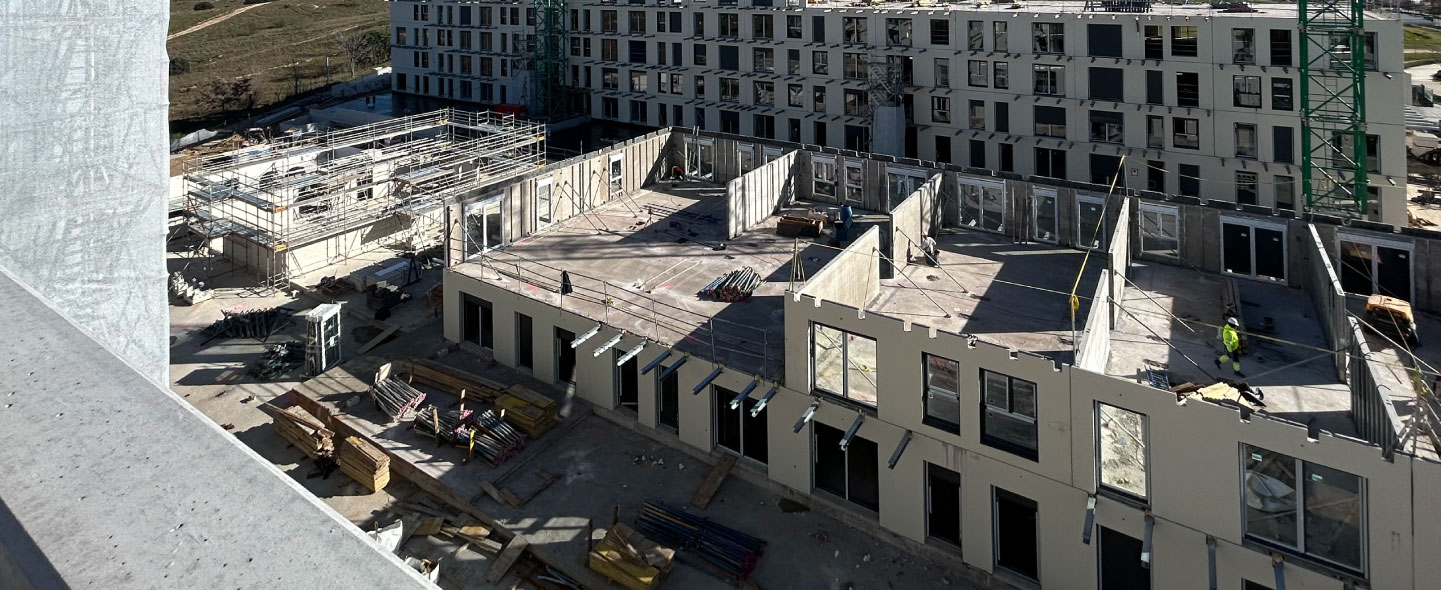
La construcció industrialitzada ofereix la possibilitat de construir habitatges sostenibles i de qualitat a menor cost i amb un menor temps d' espera, la qual cosa pot contribuir a reduir el dèficit habitacional i millorar les condicions de vida de moltes persones.
En aquest article, vam aprofundir en la construcció industrialitzada, exposant quines són les seves principals diferències enfront d' una construcció tradicional i quins avantatges aporta aquest innovador sistema, especialment des del punt de vista de l' habitatge social.
Què és la construcció industrialitzada o arquitectura industrialitzada?
La construcció industrialitzada és un enfocament en l' edificació que aplica processos i tècniques per millorar l' eficiència, qualitat i rapidesa en els projectes de construcció. A diferència de la construcció tradicional, que es realitza majorment en el lloc d' obra, la construcció industrialitzada es caracteritza per la producció de components en una fàbrica o taller per obtenir estructures completes. Aquests components després s'acoblen en el lloc de la construcció. La industrialització d' una construcció pot ser total o parcial, ja que es pot donar el cas que tot un habitatge sigui fabricat fora del lloc d' obra o tan sols algun dels seus elements, com la façana, els tancaments o els acabats interiors.
TIPOLOGIES
Diferència de tipologies de construcció

Sol ser freqüent confondre la construcció industrialitzada amb la prefabricada o modular i, si bé és cert que tenen alguns punts en comú, no són exactament el mateix. La construcció prefabricada se centra en la fabricació de components fora del lloc d' obra, tot i que la seva principal particularitat és que són produïts en sèrie en una fàbrica. Per la seva banda, la construcció o arquitectura modular es considera un subgrup de la construcció prefabricada mitjançant el qual una construcció es compon de mòduls complets que s' acoblen els elements en el lloc.
Sol ser freqüent confondre la construcció industrialitzada amb la prefabricada o modular i, si bé és cert que tenen alguns punts en comú, no són exactament el mateix. La construcció prefabricada se centra en la fabricació de components fora del lloc d' obra, tot i que la seva principal particularitat és que són produïts en sèrie en una fàbrica. Per la seva banda, la construcció o arquitectura modular es considera un subgrup de la construcció prefabricada mitjançant el qual una construcció es compon de mòduls complets que s' acoblen els elements en el lloc.
Tipus de construcció industrialitzada
La construcció industrialitzada abasta diverses metodologies que permeten optimitzar l' eficiència, qualitat i sostenibilitat en els projectes d' edificació. A continuació, destaquem els principals tipus:
- Construcció Prefabricada: Consisteix en la producció de components fora del lloc d' obra, fabricats en sèrie en fàbriques. Aquests components són transportats i acoblats en el lloc de la construcció, la qual cosa redueix temps i costos.
- Construcció Modular: Un subgrup de la prefabricada, on l' edificació es compon de mòduls complets que s' acoblen en el lloc. Aquest mètode permet crear espais personalitzats amb rapidesa i flexibilitat.
- Panelització: Aquest enfocament implica la fabricació de panells estructurals en fàbrica, com parets o sostres, que després s'acoblen al lloc. És ideal per a projectes que requereixen rapidesa i precisió en la construcció.
- Volumètrica o 3D: Aquí, es construeixen volums complets, com habitacions o seccions senceres d' un edifici, a la fàbrica. Aquests volums es transporten i acoblen al lloc, permetent un control total de la qualitat i un muntatge molt àgil.
Aquests mètodes es poden combinar per crear solucions híbrides, adaptant-se a les necessitats específiques de cada projecte, des d' habitatges unifamiliars fins a grans desenvolupaments d' habitatge social.
Avantatges del sistema de Construcció industrial
La construcció industrialitzada aporta diversos avantatges en tot tipus de construccions, per la qual cosa s' està convertint en una tendència cada vegada més arrelada en els processos constructius actuals amb diverses característiques diferencials:

Aquests avantatges tenen un important impacte en tot tipus de construccions, però en aquest article volem destacar especialment el seu paper en l' habitatge social, atès que està orientat a oferir solucions d' habitatge assequibles i de qualitat per a sectors amb ingressos baixos. La construcció industrialitzada té el potencial de revolucionar l' habitatge social en proporcionar solucions ràpides, econòmiques, i d' alta qualitat, adaptades a les necessitats específiques de tot tipus de perfils i alineades amb els objectius de sostenibilitat i eficiència.
El seu impacte en l' habitatge social
Un clar exemple de com la majoria de la construcció industrialitzada a la Comunitat de Madrid pot convertir-se en un model de futur per assolir nous habitatges assequibles és el Pla VIVE, executat per la Comunitat de Madrid i en el qual, des de SOCOTEC, hem participat revisant la totalitat del sistema estructural. Com a especialistes en enginyeria, hem aportat la nostra experiència i coneixement per garantir la seguretat, la qualitat i l'eficiència d'aquesta obra.
El Pla Viu té com a objectiu la construcció de 1.137 habitatges de lloguer assequible en tres municipis de Madrid: Boadilla del Monte, Pinto i Colmenar Viejo. Tots els habitatges comptaran amb qualificació energètica A, amplis espais, elecció de materials de primera qualitat i zones comunes com ara jardins, àrees de joc infantils i espais esportius. No obstant això, una gran particularitat d'aquest projecte és l'absència de pilars en els habitatges, una cosa habitual en la construcció tradicional. En aquest cas, els pilars es troben únicament en el baix rasant (la zona de garatges) a causa de la utilització de murs autoportants. Aquest sistema innovador permet optimitzar l' espai interior i oferir habitatges més diàfans i funcionals.
En definitiva, aquest pla per construir habitatge adreçat a lloguer assequible mitjançant sistemes industrialitzats és ja una realitat i representa un pas endavant cap al futur del sector construcció. Des de SOCOTEC, hem tingut la sort de participar en aquest projecte, demostrant una vegada més la nostra excel·lència tècnica i capacitat de resolució de projectes complexos. No cal oblidar que enginyeries com SOCOTEC són essencials per afrontar els nous reptes tècnics que planteja la construcció industrialitzada.
Vols que t'assessorem sobre els nostres serveis d'Enginyeria per a la construcció Industrialitzada?
Get the latest updates about SOCOTEC, subscribe to our newsletter !
Add new comment
Social Housing and Industrialized Construction: Why do they go hand in hand?
Industrialised construction offers the possibility of building sustainable and quality housing at a lower cost and with a shorter waiting time, which can contribute to reducing the housing deficit and improving the living conditions of many people.
In this article, we are going to delve into industrialised construction, explaining what its main differences are compared to traditional construction and what advantages this innovative system brings, especially from the point of view of social housing.
What is industrialized construction or industrialized architecture?
Industrialized construction is an approach to building that applies processes and techniques to improve efficiency, quality, and speed in construction projects. Unlike traditional construction, which is mostly carried out on the construction site, industrialized construction is characterized by the production of components in a factory or workshop to obtain complete structures. These components are then assembled at the construction site.
The industrialization of a construction can be total or partial, since it may be the case that an entire house is manufactured outside the construction site or only some of its elements, such as the façade, the enclosures or the interior finishes.
TYPES
Difference in construction typologies
However, one of the most characteristic details of industrialized construction is its much broader approach, as it encompasses the use of industrial techniques and processes in construction, including prefabrication and modularity, but is not limited to these. The objective of this system is to produce in the factory or workshop the maximum number of elements that will later shape the construction.
However, one of the most characteristic details of industrialized construction is its much broader approach, as it encompasses the use of industrial techniques and processes in construction, including prefabrication and modularity, but is not limited to these. The objective of this system is to produce in the factory or workshop the maximum number of elements that will later shape the construction.
Sin embargo, uno de los detalles de la construcción industrializada más carácteristicos es su enfoque mucho más amplio, ya que abarca el uso de técnicas y procesos industriales en la construcción, incluyendo la prefabricación y la modularidad, pero no se limita a estos. El objetivo de este sistema es producir en la fábrica o taller la máxima cantidad de elementos que posteriormente darán forma a la construcción.
Types of industrialized construction
Industrialized construction encompasses various methodologies that optimize efficiency, quality and sustainability in building projects. Below, we highlight the main types:
- Prefabricated Construction: It consists of the production of components outside the construction site, mass-produced in factories. These components are transported and assembled on site, which reduces time and costs.
- Modular Construction: A subgroup of the prefabricated, where the building is composed of complete modules that are assembled on site. This method allows you to create custom spaces quickly and flexibly.
- Panelization: This approach involves fabricating structural panels in the factory, such as walls or ceilings, which are then assembled on site. It is ideal for projects that require speed and precision in construction.
- Volumetric or 3D: Here, entire volumes, such as rooms or entire sections of a building, are built in the factory. These volumes are transported and assembled on site, allowing for total quality control and very agile assembly.
These methods can be combined to create hybrid solutions, adapting to the specific needs of each project, from single-family homes to large social housing developments.
Advantages of the Industrial Construction System
Industrialized construction provides several advantages in all types of constructions, which is why it is becoming an increasingly deep-rooted trend in current construction processes with several differential characteristics:
These advantages have a significant impact on all types of construction, but in this article we want to highlight their role in social housing, since it is aimed at offering affordable and quality housing solutions for low-income sectors. Industrialised construction has the potential to revolutionise social housing by providing fast, economical and high-quality solutions, adapted to the specific needs of all types of profiles and aligned with the objectives of sustainability and efficiency.
Its impact on social housing
A clear example of how most industrialised construction in the Community of Madrid can become a model for the future to achieve new affordable housing is the VIVE Plan, implemented by the Community of Madrid and in which, from SOCOTEC, we have participated by reviewing the entire structural system. As engineering specialists, we have contributed our experience and knowledge to ensure the safety, quality and efficiency of this work.
The Vive Plan aims to build 1,137 affordable rental homes in three municipalities of Madrid: Boadilla del Monte, Pinto and Colmenar Viejo. All homes will have an A energy rating, large spaces, choice of top quality materials and common areas such as gardens, children's play areas and sports spaces. However, a great particularity of this project is the absence of pillars in the homes, something common in traditional construction. In this case, the pillars are only located at the ground level (the garage area) due to the use of self-supporting walls. This innovative system makes it possible to optimise the interior space and offer more open-plan and functional homes.
In short, this plan to build affordable rental housing through industrialised systems is already a reality and represents a step forward towards the future of the construction sector. At SOCOTEC, we have been fortunate to participate in this project, demonstrating once again our technical excellence and ability to solve complex projects. It should not be forgotten that engineering such as SOCOTEC is essential to face the new technical challenges posed by industrialised construction.
Do you want us to advise you on our Engineering services for Industrialized Construction?
Get the latest updates about SOCOTEC, subscribe to our newsletter !
Add new comment

SOCOTEC impulsa su crecimiento en Barcelona con la inauguración de su sede central en el 22@

SOCOTEC impulsa l'economia circular amb la donació de mobiliari d'oficina a entitats socials.
SOCOTEC promotes the circular economy by donating office furniture to social entities.


Add new comment