

Structural monitoring of building construction over the Arc de Triomf Interchange
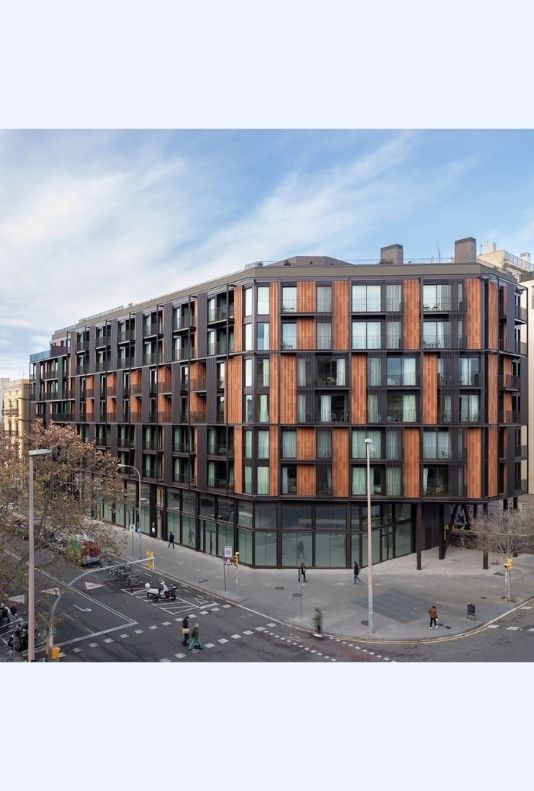
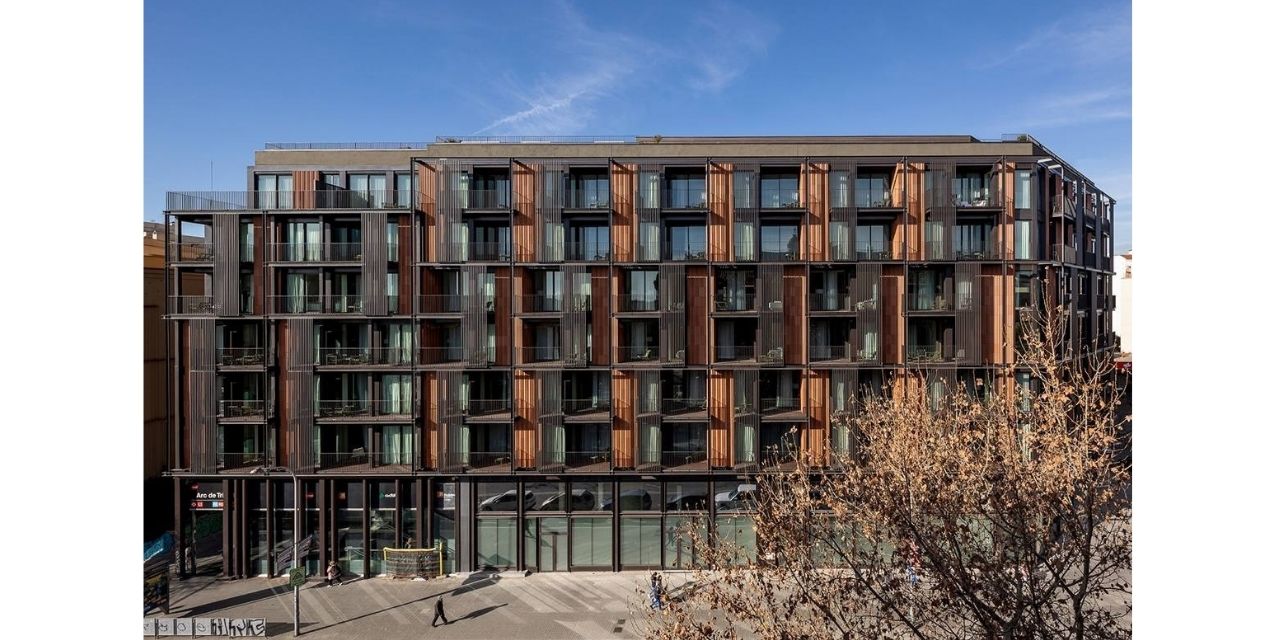
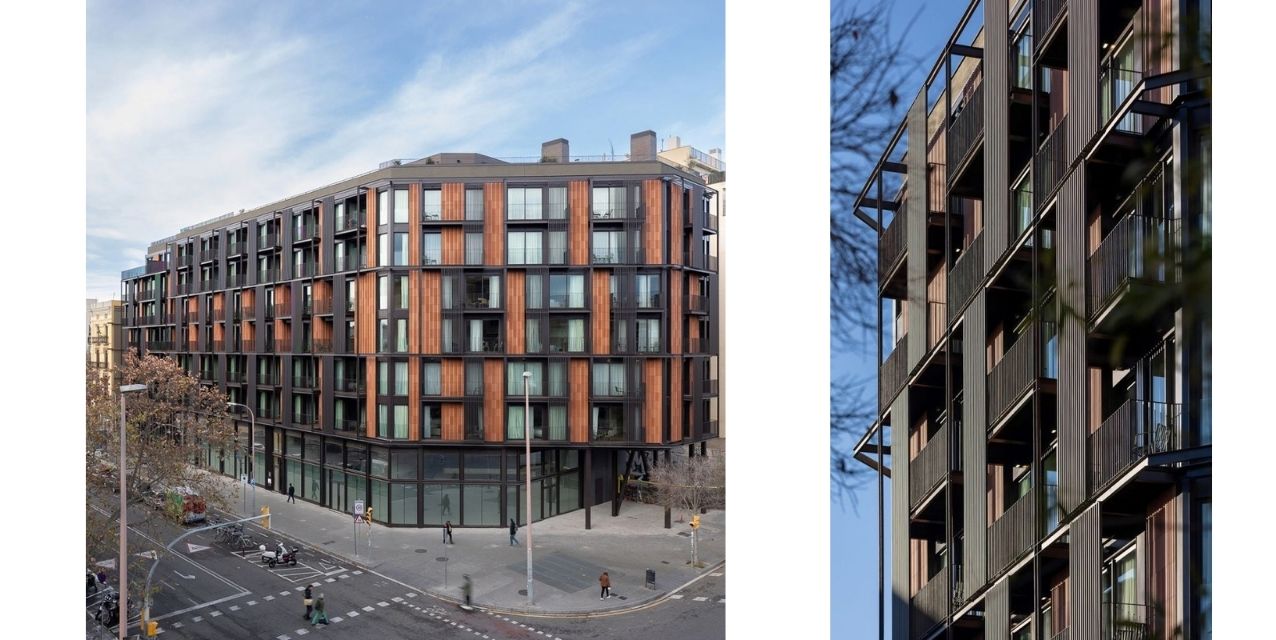
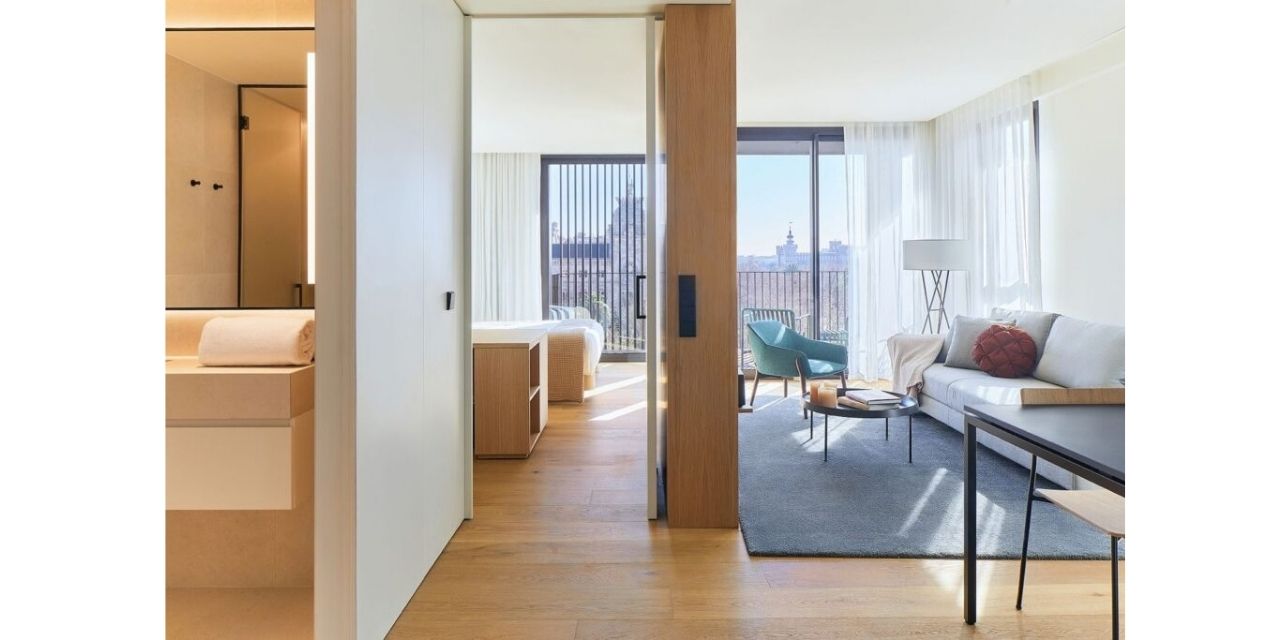
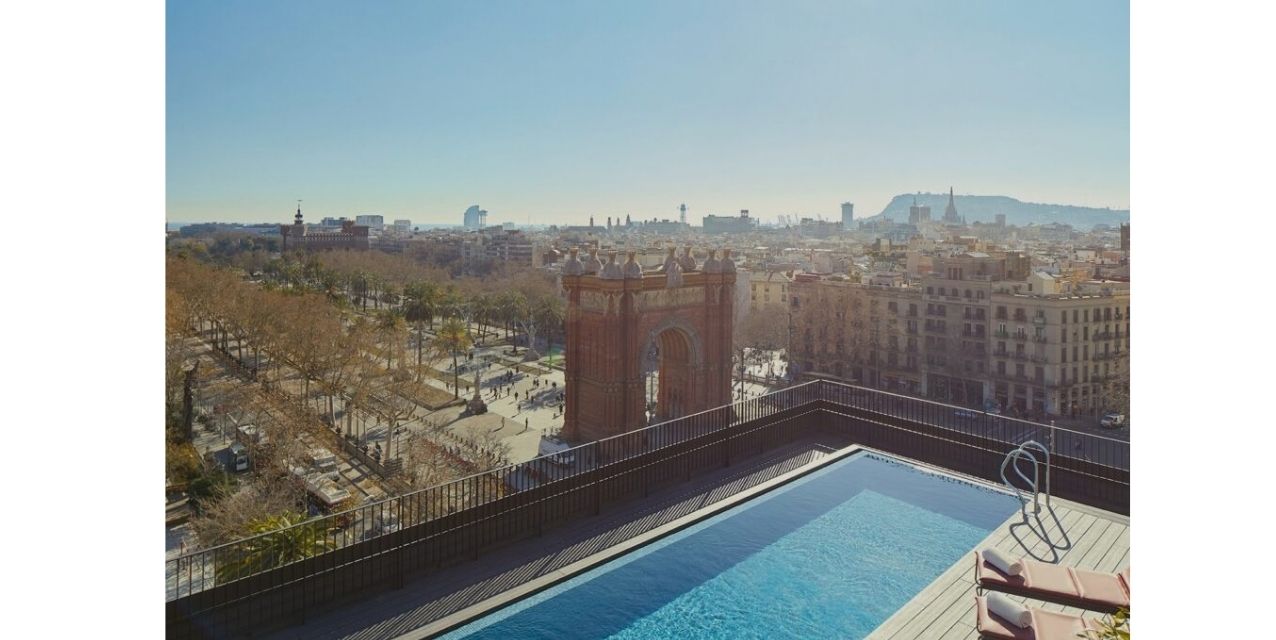
SOCOTEC has led the structural monitoring and topographic control of a highly complex technical project in Barcelona: the construction of 108 residential units supported on the roof slab of the Arc de Triomf interchange.
To ensure the safety of the complex and the active TMB and Renfe railway tunnels, SOCOTEC teams continuously monitored post-tensioned slab movements, convergence controls, and critical lifting operations for bearing replacement and vibration isolation.
Date (Year): 2018 – 2024
Client: Bureau Veritas
Location: Barcelona – Spain

Talk to our experts


Project Context
The construction of this residential development comprising 108 housing units (9,226 m² of built area for residential and commercial use) is located on a unique site facing Barcelona's iconic Arc de Triomf. Its main structural feature is that the building's foundation rests on a 120 cm thick solid post-tensioned transfer slab, which also serves as the roof for the underground railway interchange (consisting of a concourse and three active TMB and Renfe tunnels).
The original structural design of this slab dates back to 2007. To allow the interchange to operate and enable future above-ground construction without mutual operational interference over time, the slab was designed to be post-tensioned in a single phase, independent of the future building's permanent loads.
Over the years, the above-ground building project underwent several architectural modifications and changes in ownership (evolving from an organic-geometry hotel project to the residential development completed in 2024). Each iteration had to adapt to the bearing capacity and geometric layout of the existing post-tensioned slab.
In addition to the geometric and design challenges inherent to the transfer slab, the execution of the works presented two highly complex technical challenges that required specialized engineering solutions:
Dynamic vibration isolation: Due to the immediate proximity of the Cercanías commuter rail and Metro (L1) lines, measurements estimated that vibrations transmitted through the slab would reach 72.1 dB inside the structure, exceeding the owner's comfort criteria. To resolve this, it was necessary to acoustically and mechanically decouple the new building from the interchange slab by installing a hybrid damping system (helical springs and high-absorption elastomers with a natural frequency of 4.5 Hz) at the base of columns, concrete cores, and stairwells.
Under-load replacement of POT bearings: The evolution of the architectural project resulted in increased design loads compared to the 2007 projections, exceeding the capacity of the original bearings under three of the central columns supporting the transfer slab. To replace them with higher-capacity elements without compromising stability, the slab was temporarily shored using provisional steel columns, followed by controlled millimeter-scale lifting using high-pressure hydraulic jacks under continuous load and inclination monitoring.
In addition to the geometric and design challenges inherent to the transfer slab, the execution of the works presented two highly complex technical challenges that required specialized engineering solutions:
Dynamic vibration isolation: Due to the immediate proximity of the Cercanías commuter rail and Metro (L1) lines, measurements estimated that vibrations transmitted through the slab would reach 72.1 dB inside the structure, exceeding the owner's comfort criteria. To resolve this, it was necessary to acoustically and mechanically decouple the new building from the interchange slab by installing a hybrid damping system (helical springs and high-absorption elastomers with a natural frequency of 4.5 Hz) at the base of columns, concrete cores, and stairwells.
Under-load replacement of POT bearings: The evolution of the architectural project resulted in increased design loads compared to the 2007 projections, exceeding the capacity of the original bearings under three of the central columns supporting the transfer slab. To replace them with higher-capacity elements without compromising stability, the slab was temporarily shored using provisional steel columns, followed by controlled millimeter-scale lifting using high-pressure hydraulic jacks under continuous load and inclination monitoring.

Structural Monitoring and Structural Control
Given the high technical complexity and the sensitivity of the transport infrastructure beneath the slab, SOCOTEC carried out the structural monitoring and continuous topographic control plan throughout the entire construction process of the new building and its subsequent phases.
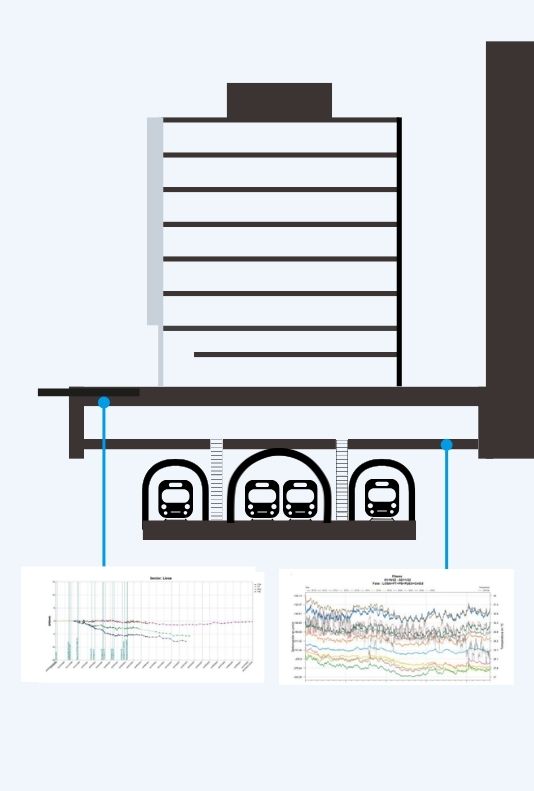
Projects of this magnitude, where above-ground construction directly interacts with fully active railway infrastructure, demand an absolute level of technical precision. Our monitoring system at Arc de Triomf not only ensured the geometric and stress stability of the post-tensioned slab through every critical phase, but also provided the necessary security for both ongoing transit operations and the viability of the new building
SOCOTEC’s Expertise in Structural Health Monitoring and Technical Instrumentation
At SOCOTEC, structural health monitoring and technical instrumentation represent one of the core pillars ensuring the safety, durability, and sustainability of complex infrastructure and urban developments.
We provide comprehensive solutions leveraging state-of-the-art technology and the expertise of a multidisciplinary team qualified to operate in high-risk or technically sensitive environments:
Real-time precision technology: We deploy automated monitoring systems and high-frequency sensors (robotic total stations, inclinometers, convergence extensometers, and accelerometers) that enable real-time data streaming for immediate, preventive decision-making.
Critical infrastructure monitoring: We specialize in the structural monitoring of tunnels, bridges, underground stations, and special foundations, where compatibility with active traffic or public transit service is a primary priority.
Lifecycle structural management: We support projects across every phase—from baseline studies and construction-phase monitoring to long-term operational tracking and infrastructure maintenance.
Technical authority and compliance: We ensure that every intervention strictly complies with current regulations and international standards for structural safety and acoustic/vibration comfort.
Thanks to SOCOTEC’s continuous monitoring and preventive control, the absolute safety of the active railway infrastructure, the structural stability of the new residential complex, and full compliance with acoustic and vibration comfort standards for future residents have been fully guaranteed.
Would you like to learn more about our services?

