

Modernization of the Swiss School of Barcelona Campus: Structural Inspection through Non-Destructive Testing (NDT)
- Client: UTE Grupo2 S.A. & Villa Reyes S.L.
- Architecture: Trasbordo Arquitectura y Gerencia de Construcción S.L.
- Location: Barcelona
- Year: 2025 -2026
The renovation of the Swiss School of Barcelona (ESB) campus, designed by Trasbordo Arquitectura, represents a benchmark in urban school architecture.
The project does not only renovate the existing space; it multiplies it through an innovative strategy: the creation of an underground sports area and an elevated bridge building.
This configuration allows for the clearing of outdoor surface areas, ensuring that daily educational routines coexist with the center's modernization. Founded in 1919, the ESB is a landmark in the city; the current intervention respects its legacy of Swiss functionality by using 21st-century materials, such as steel and wood, to ensure maximum sustainability and comfort.

Talk to our experts



EXPERIENCE
Safety and Traceability Guarantee

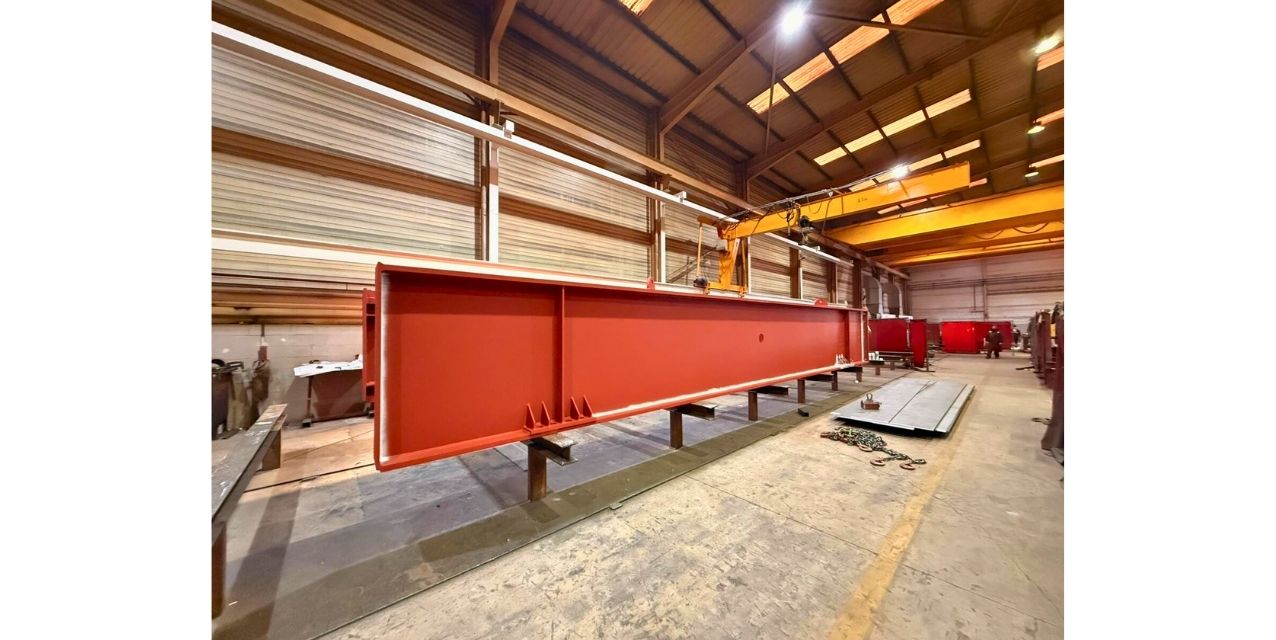
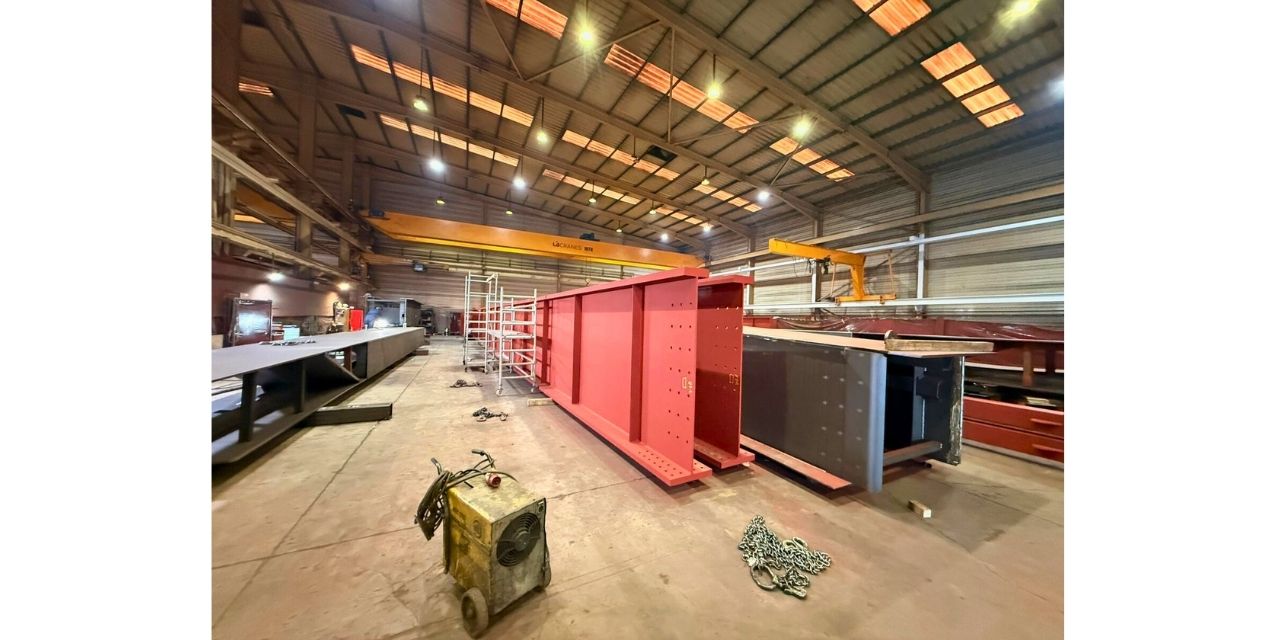
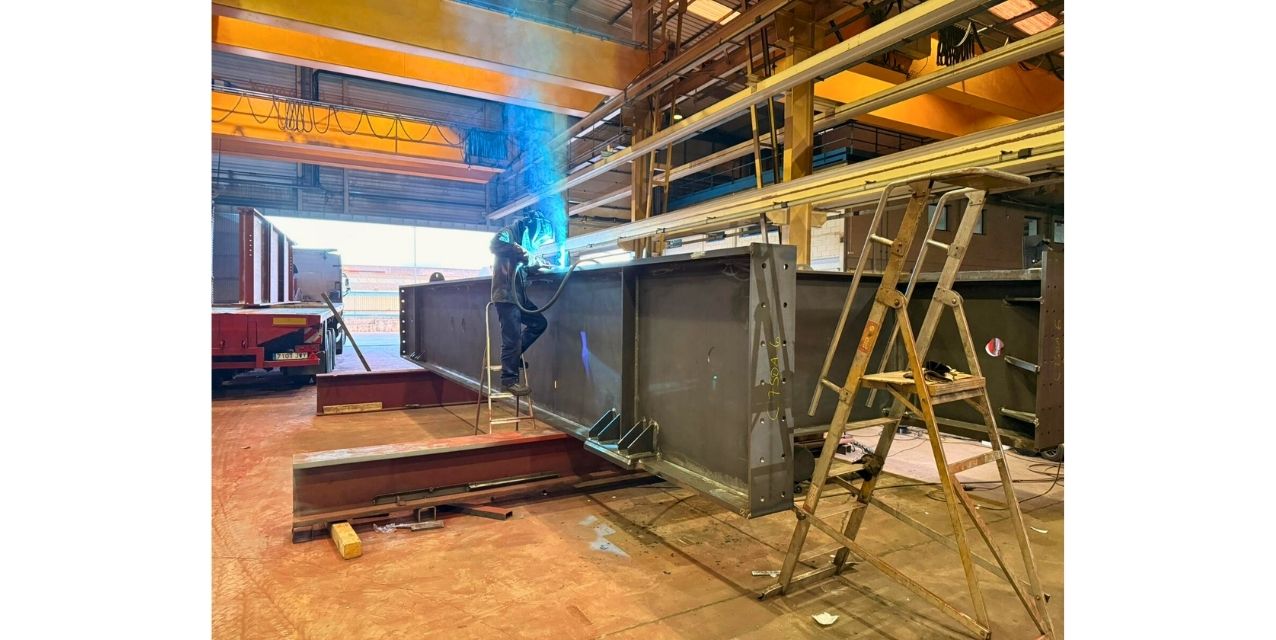
It is a pleasure to be part of such a unique project, both in the workshop phase and on-site. At SOCOTEC Spain, we have conducted Non-Destructive Testing (NDT) on the steel structure, ensuring the quality and traceability of the joints before installation. Projects of this caliber highlight the importance of coordination between design, fabrication, control, and assembly, even under the challenging conditions we faced."
Eduardo Castillo, TEAM LEADER INSPECTION at SOCOTEC
In such a unique construction, where a steel bridge building supports hanging timber structures, structural safety is non-negotiable. SOCOTEC has provided its technical rigor through specialized inspection services:
Non-Destructive Testing (NDT): Comprehensive testing on the steel structure, both during the workshop fabrication phase and during on-site assembly.
Joint and Weld Control: Technical verification of critical joints using magnetic particle testing and other advanced techniques to ensure total integrity before loading.
Traceability and Quality: Rigorous monitoring of processes to ensure that every component meets international durability standards.
It is a pleasure to be part of such a unique project, both in the workshop phase and on-site. At SOCOTEC Spain, we have conducted Non-Destructive Testing (NDT) on the steel structure, ensuring the quality and traceability of the joints before installation. Projects of this caliber highlight the importance of coordination between design, fabrication, control, and assembly, even under the challenging conditions we faced."
Eduardo Castillo, TEAM LEADER INSPECTION at SOCOTEC
In such a unique construction, where a steel bridge building supports hanging timber structures, structural safety is non-negotiable. SOCOTEC has provided its technical rigor through specialized inspection services:
Non-Destructive Testing (NDT): Comprehensive testing on the steel structure, both during the workshop fabrication phase and during on-site assembly.
Joint and Weld Control: Technical verification of critical joints using magnetic particle testing and other advanced techniques to ensure total integrity before loading.
Traceability and Quality: Rigorous monitoring of processes to ensure that every component meets international durability standards.
The Challenges
Extreme logistics and sustainability
The execution of the new Swiss School of Barcelona campus has been more than just an architectural challenge; it has been a complex operation of engineering and urban management. The project faced technical and operational constraints that required pinpoint coordination among all parties involved:
Urban Integration: Weaving the fabric of Sarrià
The architectural design transcends the boundaries of the school to foster neighborhood cohesion. By connecting the facilities located on both sides of Alfonso XII Street, a new pedestrian forum has been designed. This space not only organizes school life but also interacts organically with the historical layout of Plaza Molina, consolidating the institution’s century-old presence in Barcelona.
Real Sustainability: Low-carbon construction
Following construction decarbonization standards, the project prioritizes sustainability from the foundations up. The underground structure stands out as one of the first in Spain to be executed entirely with low-emission concrete. The use of low-carbon footprint cements positions this campus as a benchmark in responsible building, aligned with EU Taxonomy objectives.
Assembly Engineering: Precision in the "Narrow Street"
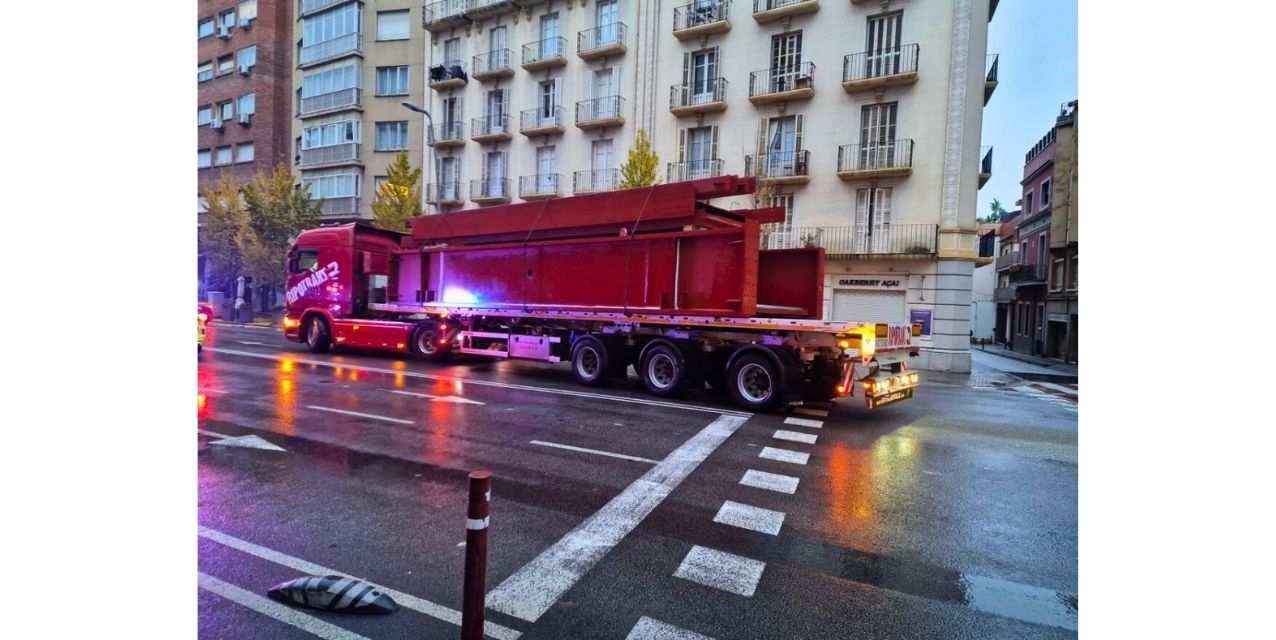
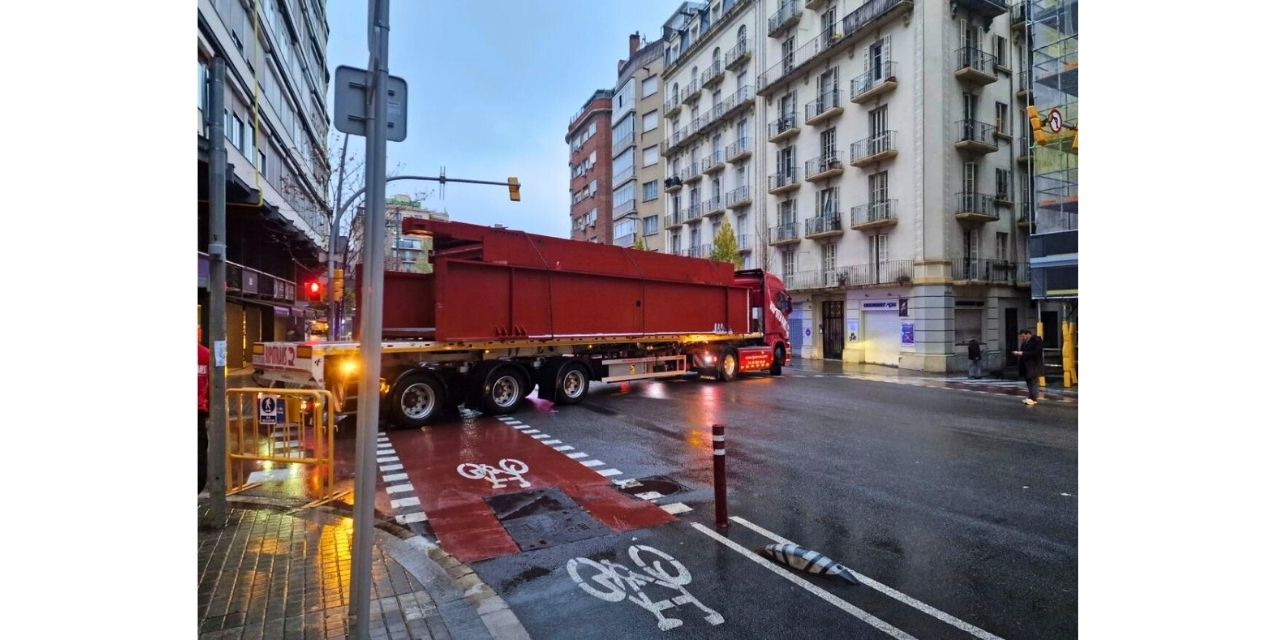
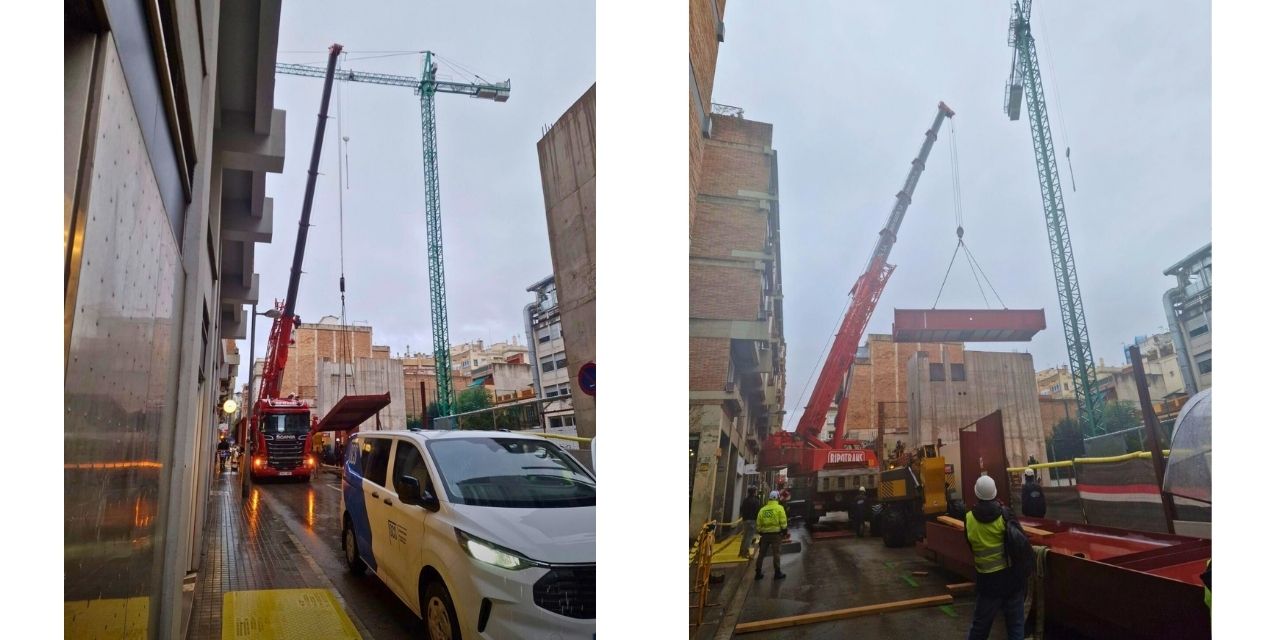
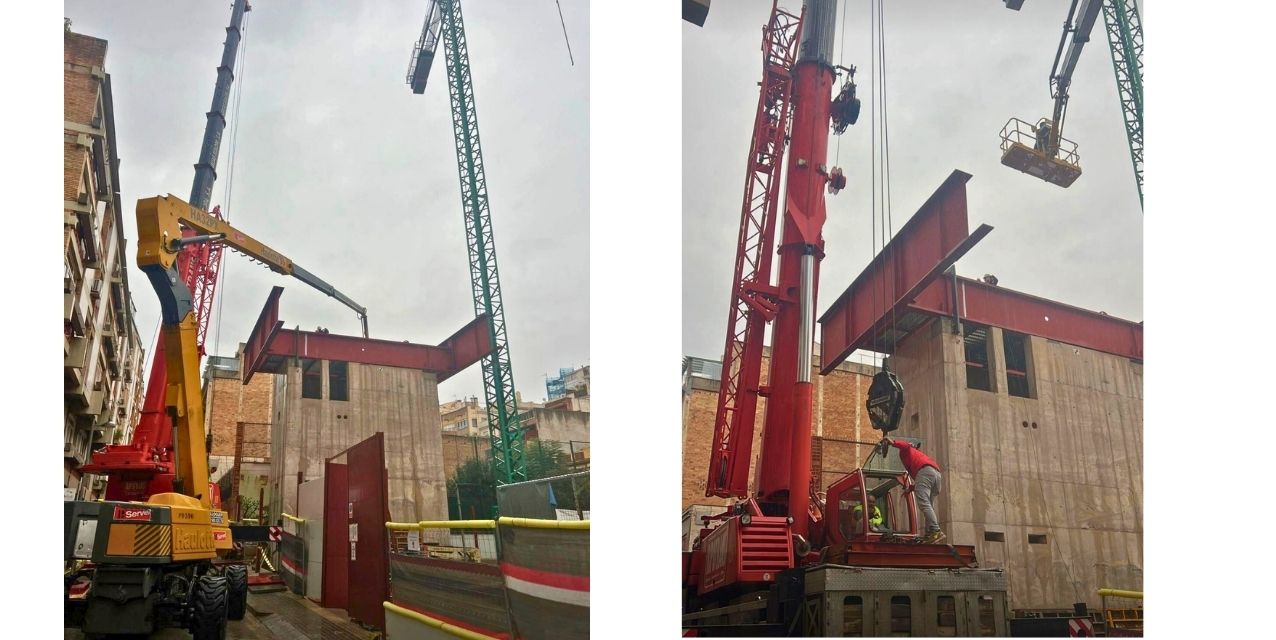
The greatest logistical challenge was located on Brusi Street. With a width of barely 8 meters, the location imposed severe restrictions on the movement of heavy machinery.
Critical Maneuver: The assembly of the steel structure required the lifting of 30-meter-long main beams.
Zero Margin for Error: The operation was carried out with minimal maneuvering space and under adverse weather conditions. Precision in fabrication and assembly coordination were key to ensuring the success of the structure without disrupting the surrounding activities.
Subsoil Quality Investigation
Environmental Geotechnics
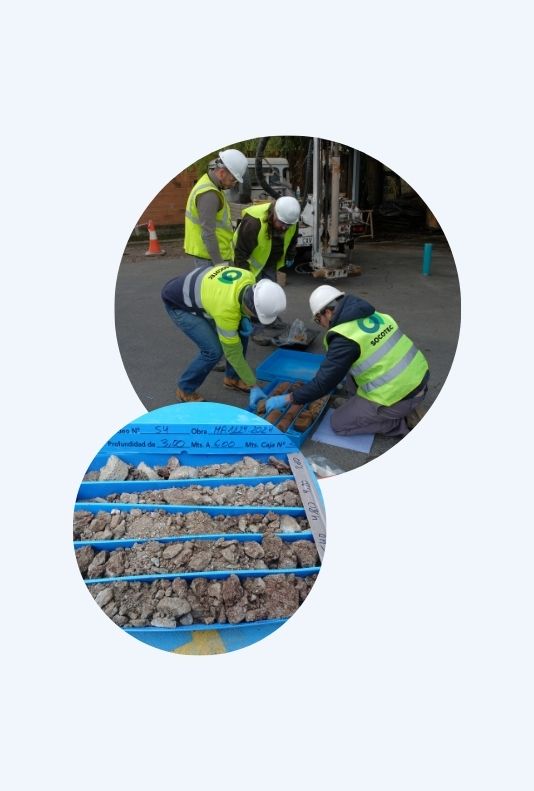
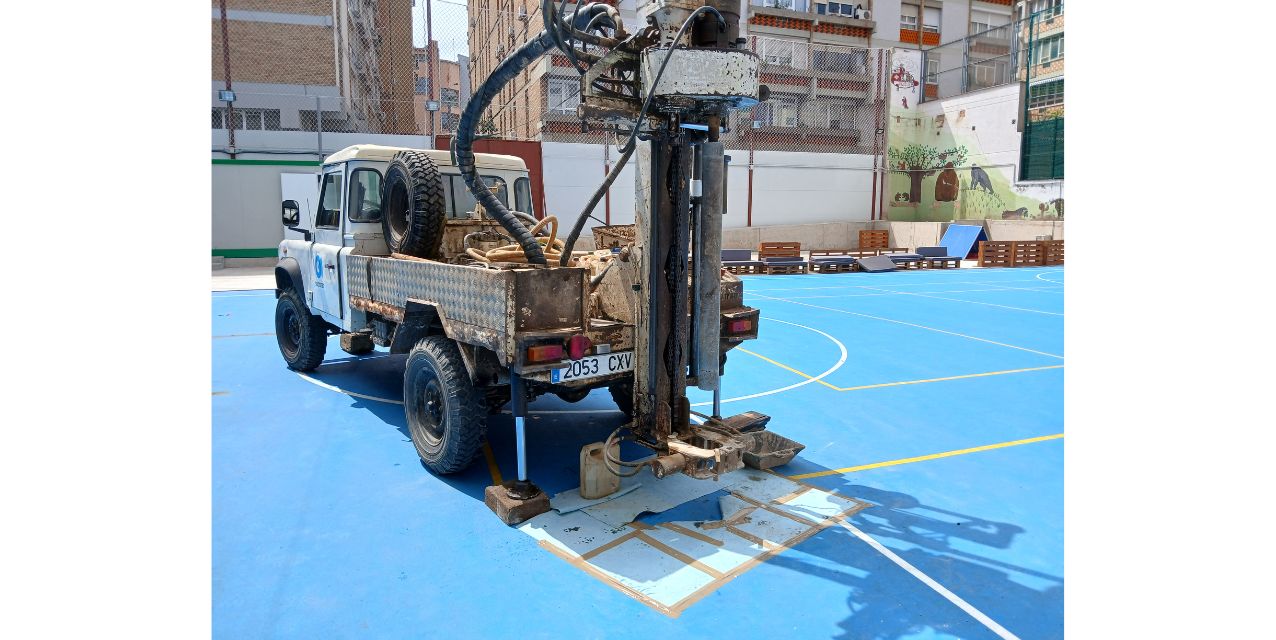
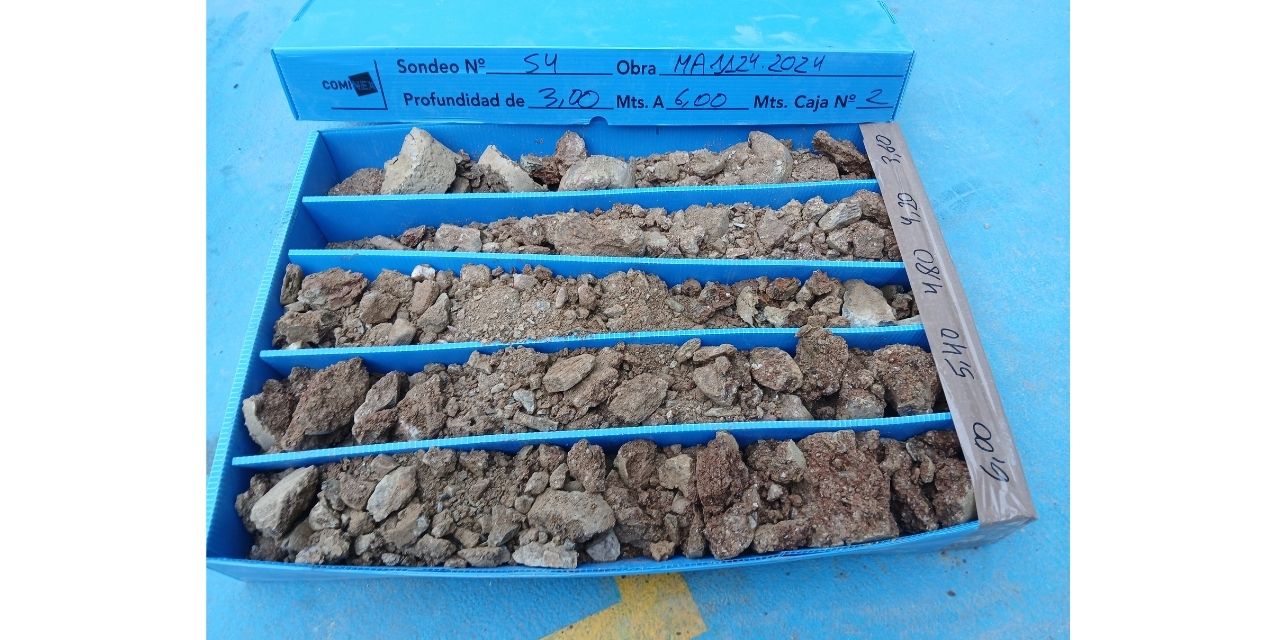
To ensure the safety of the environment and the health of future users, SOCOTEC carried out a technical subsoil investigation. This intervention focused on the area of a former underground gas oil tank that supplied the school’s original heating system, following these control protocols:
Mechanical Reconnaissance Boreholes: Four (4) mechanical boreholes were strategically executed around the tank, reaching depths of 8.0 meters. These perforations allow for continuous lithological columns to identify soil composition and detect any possible migration of substances at depth.
Organoleptic Evidence Detection (Absence of Impact): During the drilling process, our technicians performed a direct sensory inspection of the extracted core samples. This preliminary test looks for visual signs (staining or iridescence) or olfactory indicators (characteristic hydrocarbon odors). As no organoleptic evidence was detected, a massive or recent leak in the vicinity of the tank was initially ruled out.
Chemical Analysis in an Accredited Laboratory: For scientific validation, a total of twelve (12) soil samples were selected and analyzed. The testing focused on determining Total Petroleum Hydrocarbons (TPH) using chromatography techniques.
Regulatory Compliance (RD 9/2005): The final assessment was conducted in accordance with Royal Decree 9/2005, which establishes the list of potentially soil-contaminating activities and the criteria for the declaration of contaminated soils.
To ensure the safety of the environment and the health of future users, SOCOTEC carried out a technical subsoil investigation. This intervention focused on the area of a former underground gas oil tank that supplied the school’s original heating system, following these control protocols:
Mechanical Reconnaissance Boreholes: Four (4) mechanical boreholes were strategically executed around the tank, reaching depths of 8.0 meters. These perforations allow for continuous lithological columns to identify soil composition and detect any possible migration of substances at depth.
Organoleptic Evidence Detection (Absence of Impact): During the drilling process, our technicians performed a direct sensory inspection of the extracted core samples. This preliminary test looks for visual signs (staining or iridescence) or olfactory indicators (characteristic hydrocarbon odors). As no organoleptic evidence was detected, a massive or recent leak in the vicinity of the tank was initially ruled out.
Chemical Analysis in an Accredited Laboratory: For scientific validation, a total of twelve (12) soil samples were selected and analyzed. The testing focused on determining Total Petroleum Hydrocarbons (TPH) using chromatography techniques.
Regulatory Compliance (RD 9/2005): The final assessment was conducted in accordance with Royal Decree 9/2005, which establishes the list of potentially soil-contaminating activities and the criteria for the declaration of contaminated soils.
Expertise in Comprehensive Assurance: From Structural Inspection to Soil Remediation
SOCOTEC’s capacity to intervene in high-complexity technical projects is backed by a consolidated track record in two critical areas for the built environment: structural safety and environmental sustainability.
1. Advanced Inspection and Infrastructure Service Life
Our experience in inspecting bridges and critical structures is the pillar that guarantees safety in unique projects. We apply precise diagnostic methodologies to extend the service life of infrastructure, such as:
Non-Destructive Testing (NDT): Detection of cracks and internal defects without compromising the integrity of the component.
Corrosion Control: Paint thickness measurements and adhesion tests to prevent metallic degradation.
Reinforcement Plans: Much like in large-scale projects such as the Feixa Llarga Bridge in the Zona Franca, we transform inspection data into engineering solutions that ensure technical excellence.
2. Environmental Management Plan and Soil Remediation
Beyond the structure, SOCOTEC leads environmental recovery projects in consolidated urban environments. A benchmark example is the Environmental Management Plan for the Remedios Varó Gardens (Sant Martí District, Barcelona), where our intervention is key to reversing the impact of former industrial activities involving fuel oil storage and distribution.
In these types of actions, our objectives are clear:
Environmental Protection: Restoration of affected ecosystems and preservation of groundwater quality against hydrocarbon migration.
Public Health Safety: Elimination of all risks associated with exposure to contaminants in public spaces.
Land Valorization: Recovery of degraded spaces to transform them into safe urban assets compatible with their surroundings.
Regulatory Rigor: Ensuring strict compliance with current environmental legislation (RD 9/2005) through certified decontamination and remediation plans.
At SOCOTEC, we turn technical complexity into confidence for the built environment.

