
Material Audits and Deconstruction: The Keys to Accelerating Circularity in Building Construction
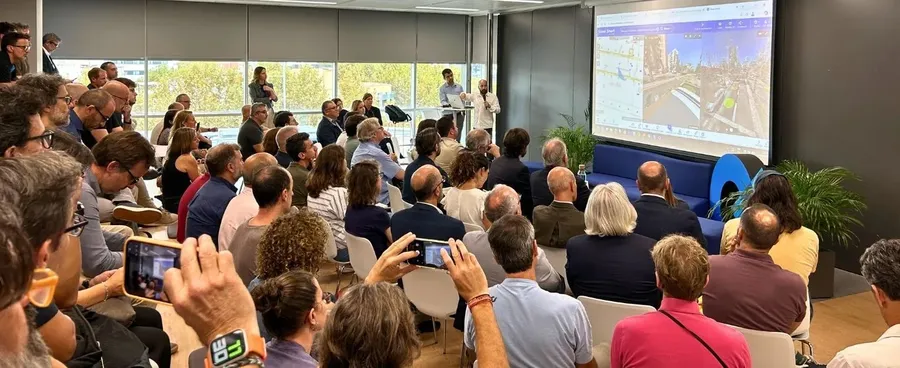
Representatives from public administration, technical consultancy, construction, and sustainability met in Barcelona to analyze the opportunities and barriers of massive resource reuse in the sector.
Moving toward a low-carbon construction model requires transforming how we manage the end of life of buildings.
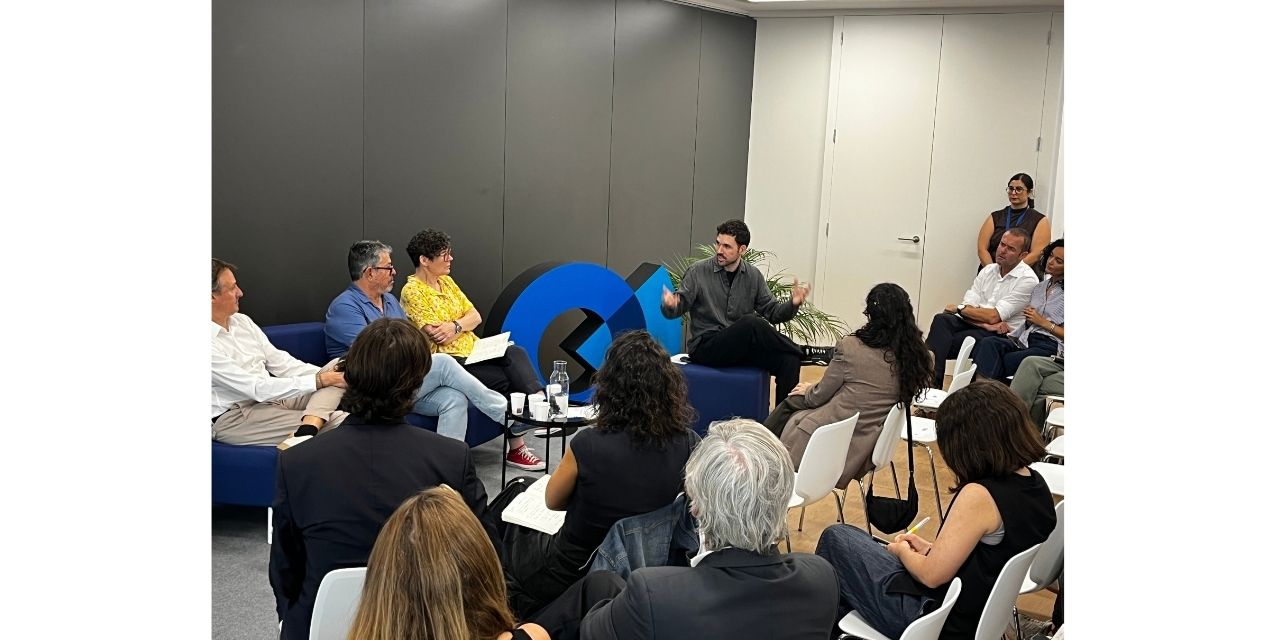
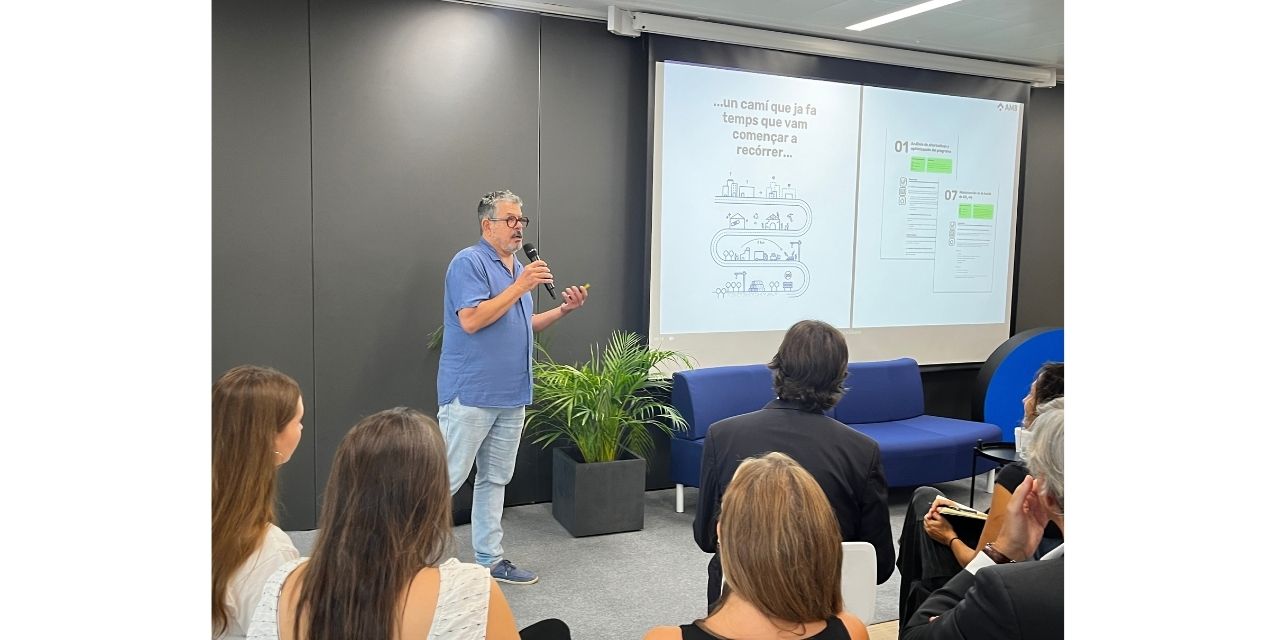
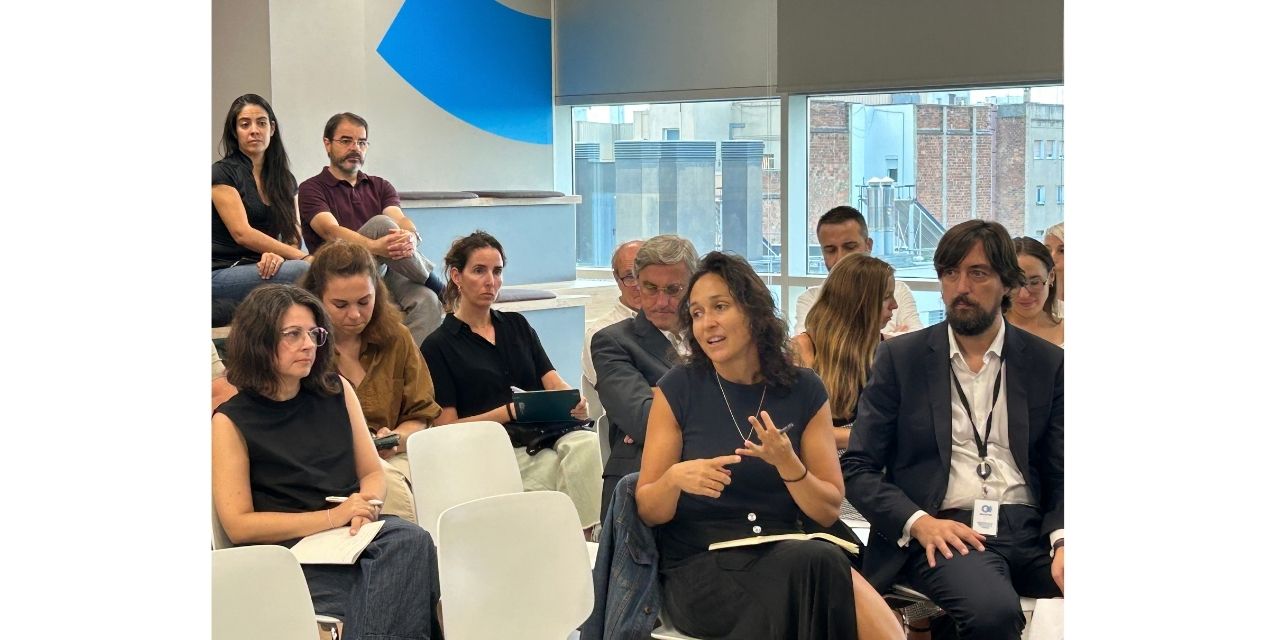
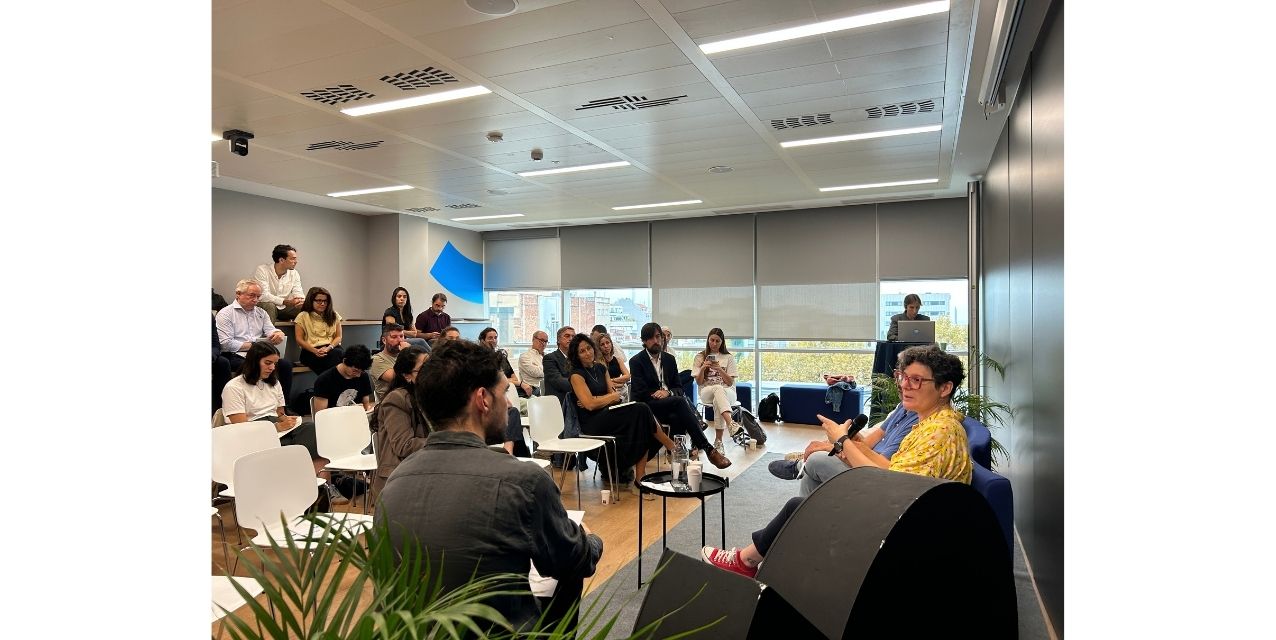
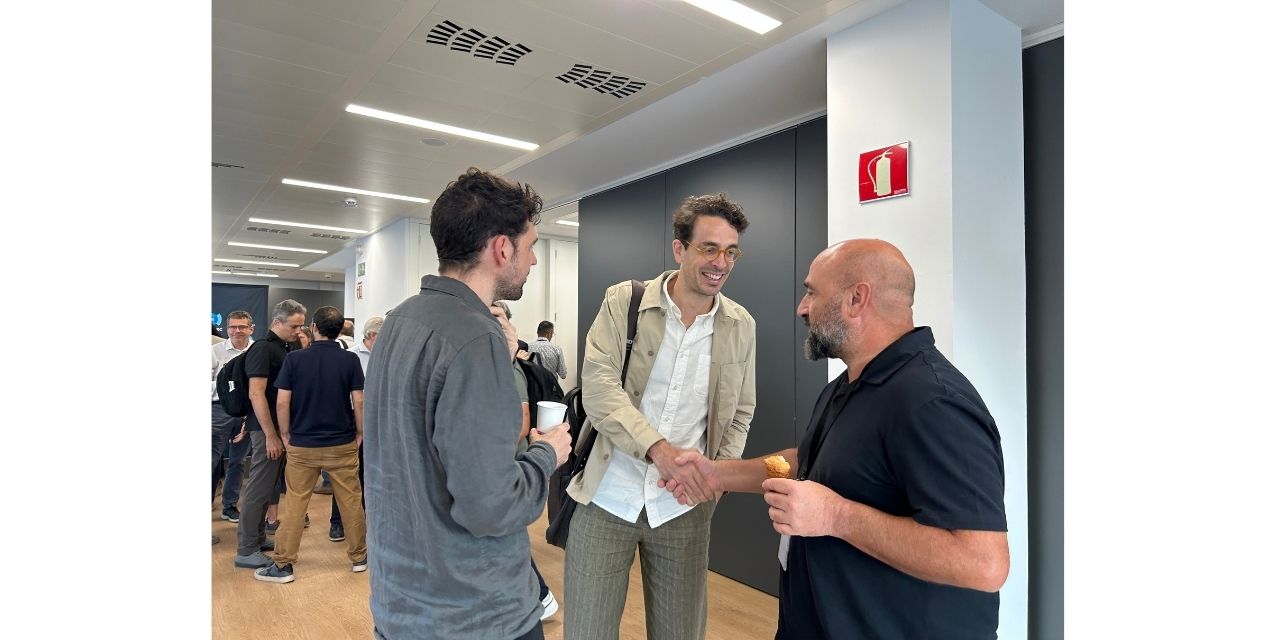
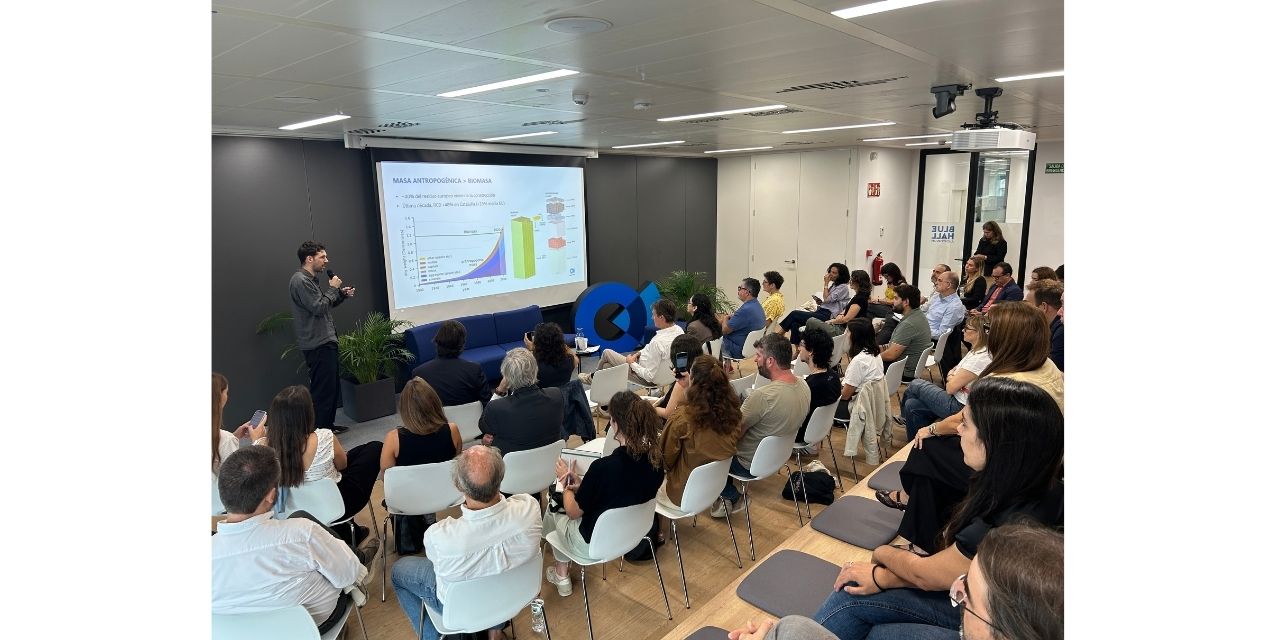
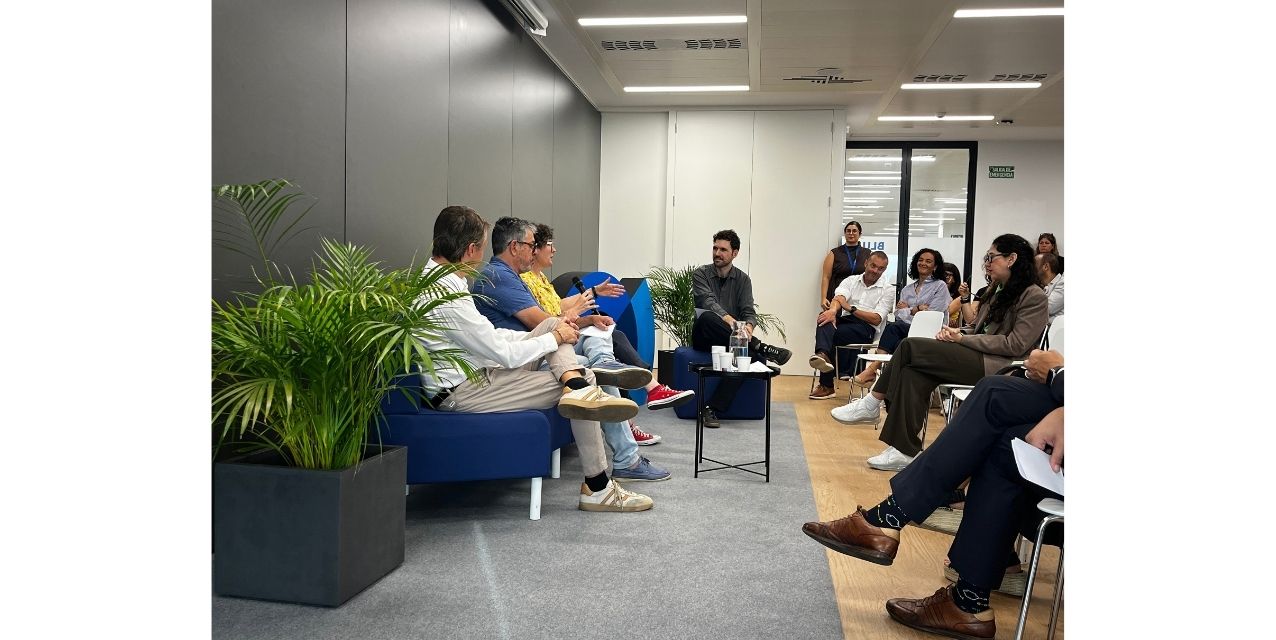
To address this practical vision, SOCOTEC brought together key players across the value chain in a new edition of its Expert Talks with a shared goal: to examine the value of deconstruction audits, compliance with European regulations, and the logistical and market challenges that currently shape material reuse.
Through real-world experiences in both the public and private sectors, the event served to debate how to anticipate resource inventorying right from the design phase, guaranteeing the technical and economic traceability needed to scale these solutions across the territory.

Life Cycle Visibility and Prevention
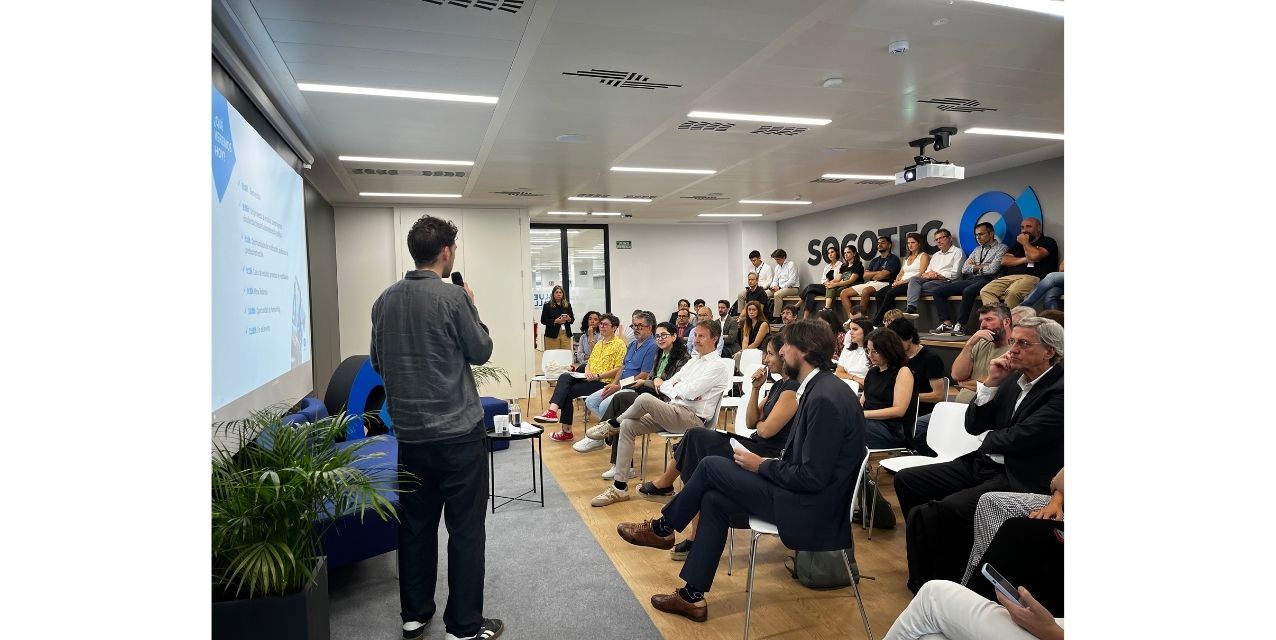
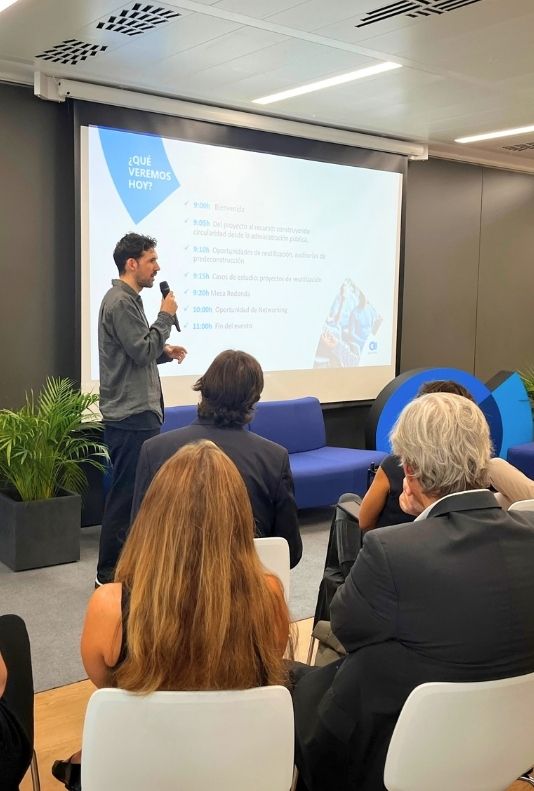
The opening of the session underlined SOCOTEC's global commitment throughout the complete construction cycle, from initial planning to responsible deconstruction. Emphasizing the importance of anticipating the end of life of materials is key to reducing the environmental footprint of an industry generating an ever-growing volume of waste.

Expert Insights
Martí Riera, Director of Corporate Social Responsibility and Sustainability at SOCOTEC
Martí Riera contextualized the sector's impact by recalling that "each constructed square meter corresponds to approximately two tons of materials", a volume whose end-of-life inefficiency demands urgent change, especially given the rise in waste generation in regions like Catalonia.
Riera anticipated that the upcoming European directive will impose mandatory reuse indicators—following the French model, where audits are already compulsory for projects over 1,000 m2—a framework that will coexist with rising landfill fees and the requirements of certifications like BREEAM or LEED v5.
"We must ask ourselves what is waste and what is a resource. The challenge lies in moving the deconstruction audit to the initial phases of the project so that it can genuinely influence reuse opportunities, both on-site and across different assets within the same organization."
To achieve this, he contrasted traditional waste management studies with advanced deconstruction audits, structured into three key stages:
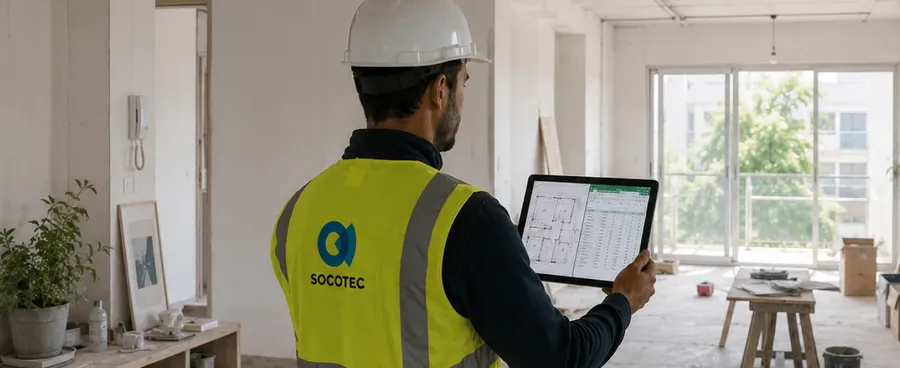
On-site technical inventory: Early cataloging of elements (from interior finishes to structural components), evaluating their dimensions, condition, and deconstructibility.
Characterization and feasibility: Analysis of physical properties (strength, roughness) along with logistical and storage cost estimates.
Digitalization of potential: Digital mapping of materials to determine their real viability for reincorporation into the same site or the secondary market.
Martí Riera, Director of Corporate Social Responsibility and Sustainability at SOCOTEC
Martí Riera contextualized the sector's impact by recalling that "each constructed square meter corresponds to approximately two tons of materials", a volume whose end-of-life inefficiency demands urgent change, especially given the rise in waste generation in regions like Catalonia.
Riera anticipated that the upcoming European directive will impose mandatory reuse indicators—following the French model, where audits are already compulsory for projects over 1,000 m2—a framework that will coexist with rising landfill fees and the requirements of certifications like BREEAM or LEED v5.
"We must ask ourselves what is waste and what is a resource. The challenge lies in moving the deconstruction audit to the initial phases of the project so that it can genuinely influence reuse opportunities, both on-site and across different assets within the same organization."
To achieve this, he contrasted traditional waste management studies with advanced deconstruction audits, structured into three key stages:
On-site technical inventory: Early cataloging of elements (from interior finishes to structural components), evaluating their dimensions, condition, and deconstructibility.
Characterization and feasibility: Analysis of physical properties (strength, roughness) along with logistical and storage cost estimates.
Digitalization of potential: Digital mapping of materials to determine their real viability for reincorporation into the same site or the secondary market.

Albert Gassull
Director of Public Space Services at the Metropolitan Area of Barcelona (AMB)
Albert Gassull shared the supramunicipal public administration's experience in applying sustainability protocols, digital inventories, and integrating recovered materials into real projects, highlighting the challenges of storage and logistics between supply and demand.
"The core idea must be to rehabilitate before building and to adapt before replacing: auditing existing resources, designing around them to limit new material consumption, and ensuring their traceability. However, for circularity to work at a metropolitan scale, we need to create territorial structures and shared hubs that connect supply and demand over time."

Joan Manel Casamitjana
Head of Innovation and Circular Economy at CALAF
From the contractor's perspective, Joan Manel Casamitjana presented practical success stories where circularity was achieved through cross-cutting collaboration among all actors in the value chain.
"Leveraging materials in a project requires creating the right ecosystem. When all agents in the chain pull in the same direction and coordinate, it is possible to promote circularity in an economically profitable way for all parties."

Eulàlia Figuerola
Representative of Green Building Council Spain (GBCE)
Eulàlia Figuerola provided a global perspective within the Roadmap for Circular Economy, reminding attendees that circularity must be accompanied by sufficiency and efficiency criteria to avoid a rebound effect in global resource consumption.
"We cannot design if we don't thoroughly understand what already exists. The design phase is the most critical; without a rigorous deconstruction audit, sound decisions cannot be made. Circularity must first be grounded in sufficiency—asking ourselves what we truly need to build—and efficiency, to achieve an absolute reduction in our material footprint."
A Collaborative Future Toward Zero Waste
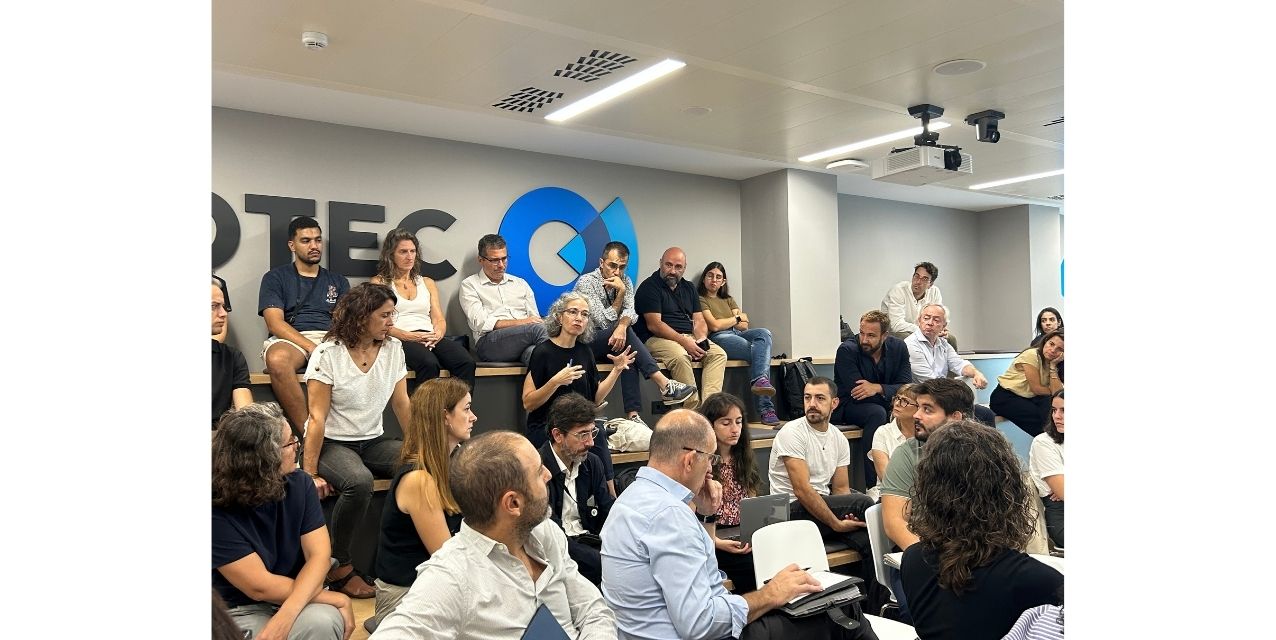
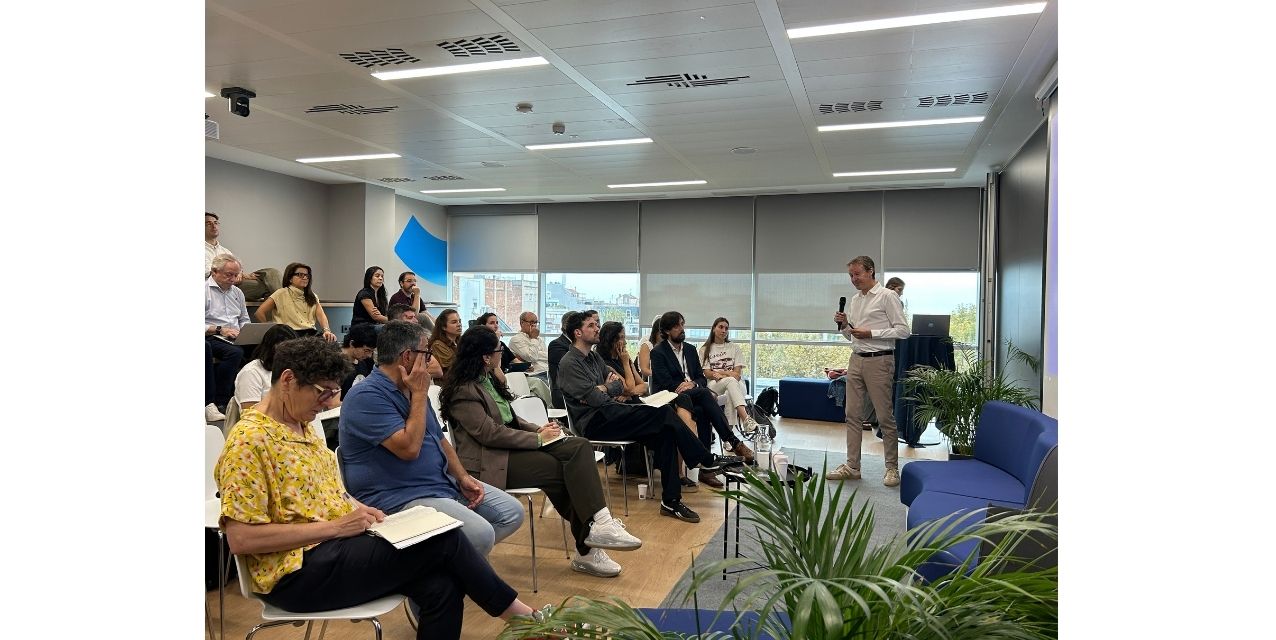
The event concluded with a moderated panel discussion addressing the sector's main bottlenecks, such as quality assurance for recovered materials, regulatory traceability, collaborative contractual frameworks, and the need to establish shared logistical infrastructure.
Through initiatives like this, SOCOTEC reaffirms its position as a leading engineering and consultancy firm, accompanying public and private clients in the transition toward a more responsible, efficient, and decarbonized construction model.
Do you have a renovation or deconstruction project in the design phase?
Anticipate regulatory requirements and optimize the value of your resources.