Article written by

Energy Regulation in Industry: How to Turn Regulatory Compliance into a Competitive Advantage
Wed 22/04/2026 - 17:40
Energy regulation in European industry is undergoing an unprecedented transformation. The European Green Deal and the "Fit for 55" legislative package have set targets that completely redefine the competitive landscape: to reduce net greenhouse gas emissions by at least 55% by 2030 and to achieve climate neutrality by 2050.
This regulatory revolution represents an estimated investment of €350 billion at the European level, but at the same time it creates decisive strategic opportunities.
Companies that anticipate and exceed the new energy efficiency requirements will not only avoid penalties, but will also obtain tangible competitive advantages in operating costs, access to green financing and positioning in increasingly demanding markets with sustainability criteria.


SPANISH REGULATORY FRAMEWORK
Transposition of the Energy Efficiency Directive
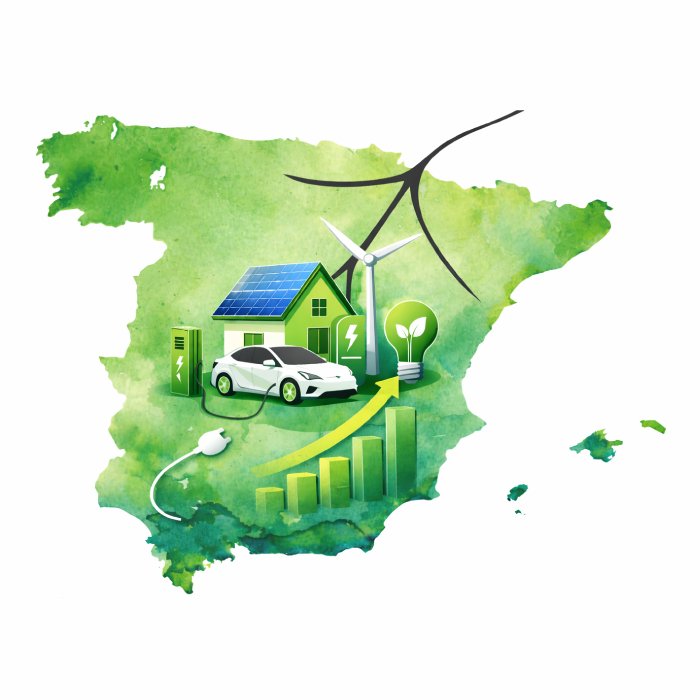
Directive (EU) 2023/1791 on Energy Efficiency establishes a transposition timetable that concludes in 2026. Spain is currently in the public consultation phase, with the Ministry for the Ecological Transition and the Demographic Challenge (MITERD) developing the Royal Decrees necessary to adapt national regulations to these more demanding requirements.
National goals include:
- Reduction in energy consumption of 11.7% by 2030 compared to 2020 projections
- Extended obligations for companies with more than 250 employees or turnover of more than €50 million: reinforced quadrennial energy audits
- Mandatory public reporting of energy consumption and efficiency plans
- Energy Management System (EMS) mandatory for large consumers (over 85 TJ per year)
- ISO 50001 certification or equivalent as a mandatory requirement
- Obligation for energy distributors to generate annual savings of 1.49% among end customers
Do you need advice on energy compliance?
Directive (EU) 2023/1791 on Energy Efficiency establishes a transposition timetable that concludes in 2026. Spain is currently in the public consultation phase, with the Ministry for the Ecological Transition and the Demographic Challenge (MITERD) developing the Royal Decrees necessary to adapt national regulations to these more demanding requirements.
National goals include:
- Reduction in energy consumption of 11.7% by 2030 compared to 2020 projections
- Extended obligations for companies with more than 250 employees or turnover of more than €50 million: reinforced quadrennial energy audits
- Mandatory public reporting of energy consumption and efficiency plans
- Energy Management System (EMS) mandatory for large consumers (over 85 TJ per year)
- ISO 50001 certification or equivalent as a mandatory requirement
- Obligation for energy distributors to generate annual savings of 1.49% among end customers
Do you need advice on energy compliance?
Mandatory Energy Audits: The New Standard of Business Management
The new Energy Efficiency Directive marks a turning point by making energy audits a legal obligation for a wide range of organisations. Companies with more than 250 employees or annual turnover of more than €50 million must undergo comprehensive energy audits every four years, ensuring continuous monitoring of performance and identifying new opportunities for improvement as available technologies evolve.
A. Startndarized methodologies:
Energy audits must follow specific regulatory frameworks that ensure quality and comparability. The EN 16247 standard establishes the systematic process that includes data collection, consumption analysis, identification of opportunities for improvement and preparation of prioritized recommendations. In parallel, ISO 50001 provides the international standard for energy management systems, establishing continuous cycles of planning, implementation, verification and improvement.
Both complementary standards create a regulatory ecosystem that transforms energy management from reactive to proactive, integrating energy efficiency into long-term business strategy and turning energy regulation in industry into a lever for competitiveness.
For the industry, this represents a unique opportunity: companies that anticipate and exceed these requirements will not only avoid penalties, but will gain decisive competitive advantages in operating costs, access to green finance and positioning in markets that are increasingly demanding sustainability.
B. Return on investment:
Although the implementation of mandatory energy audits represents an initial investment, the benefits identified consistently outweigh these costs, with payback periods rarely exceeding three years. Audits routinely reveal potential energy savings of 15-30%, translated into reductions in operating costs that can reach hundreds of thousands of euros per year for large consumers.
"Energy regulation in industry is not only a legal obligation, but a strategic opportunity to optimize operations, reduce costs and strengthen competitive positioning through a verifiable commitment to sustainability."
C. Energy and Engineering Experts at SOCOTEC Spain
Beyond the direct economic impact, companies obtain intangible benefits such as strengthening corporate reputation, early compliance with future regulations and improving competitiveness in markets sensitive to energy sustainability criteria.

Financing mechanisms that transform obligations into opportunities
Energy Savings Certificates (EACs)
Energy Savings Certificates are the main financing mechanism, allowing savings achieved through energy efficiency measures to be directly monetized. This financial instrument transforms compliant investments into marketable assets that generate additional income streams.
Complementary European funds
In addition, they can be combined with ERDF Funds and Next Generation EU, strategic European programmes that co-finance energy efficiency initiatives within the framework of the energy transition. The ICO Facilities offer another complementary option, providing preferential financing with advantageous conditions for sustainability projects.
CASE STUDY
Enterprise Energy Efficiency through CAES
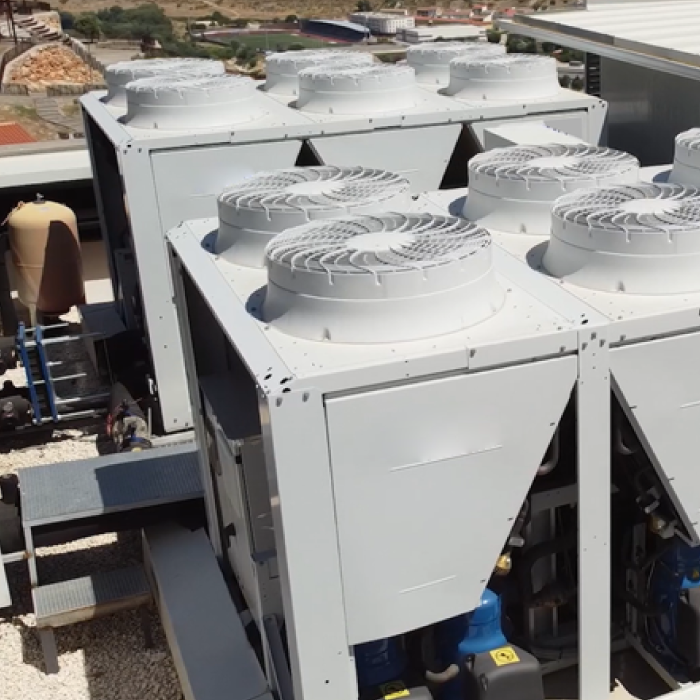
An industrial company replaced its gas boilers with highly energy-efficient chillers, generating 1,678,341 CAEs (kWh/year). This investment made it possible to:
- Monetize Energy Savings Certificates by selling them on the market
- Co-financing the measure with Next Generation EU funds, reducing the initial investment by more than 50%
- Maximize return on investment through the strategic combination of financial mechanisms
This example demonstrates how compliance with energy regulations in industry is transformed into a clear competitive and economic advantage, with significantly accelerated payback periods.
An industrial company replaced its gas boilers with highly energy-efficient chillers, generating 1,678,341 CAEs (kWh/year). This investment made it possible to:
- Monetize Energy Savings Certificates by selling them on the market
- Co-financing the measure with Next Generation EU funds, reducing the initial investment by more than 50%
- Maximize return on investment through the strategic combination of financial mechanisms
This example demonstrates how compliance with energy regulations in industry is transformed into a clear competitive and economic advantage, with significantly accelerated payback periods.
SOCOTEC, experts in industrial energy efficiency consulting
Energy regulation in industry is both a regulatory challenge and a strategic opportunity to generate competitive differentiation. Companies that take a proactive approach, leveraging available financing mechanisms and anticipating regulatory requirements, will transform these investments into tangible operational savings, improved market positioning, and strengthened commitment to sustainability.
In this context, SOCOTEC is positioned as a strategic partner for the industry, offering specialized services that include:
- Energy audits according to EN 16247 and ISO 50001 standards
- Implementation of certified Energy Management Systems
- Identification and processing of Energy Savings Certificates (EACs)
- Advice on access to European funding mechanisms
- Comprehensive support in compliance with energy regulations in industry
In this way, what initially represents an obligation becomes a competitive differentiator that provides long-term economic, reputational and operational value.
Te ayudamos a convertir el cumplimiento normativo en ventaja competitiva
You might also be interested...

Get the latest updates about SOCOTEC, subscribe to our newsletter !