SOCOTEC and AEND analyze the future of railway reliability
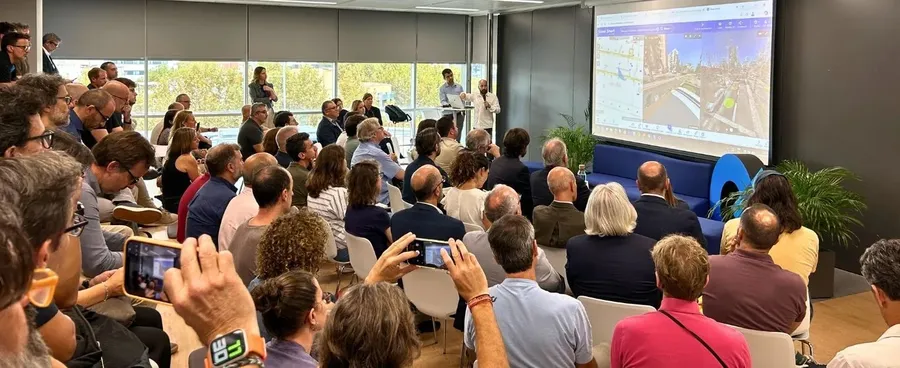
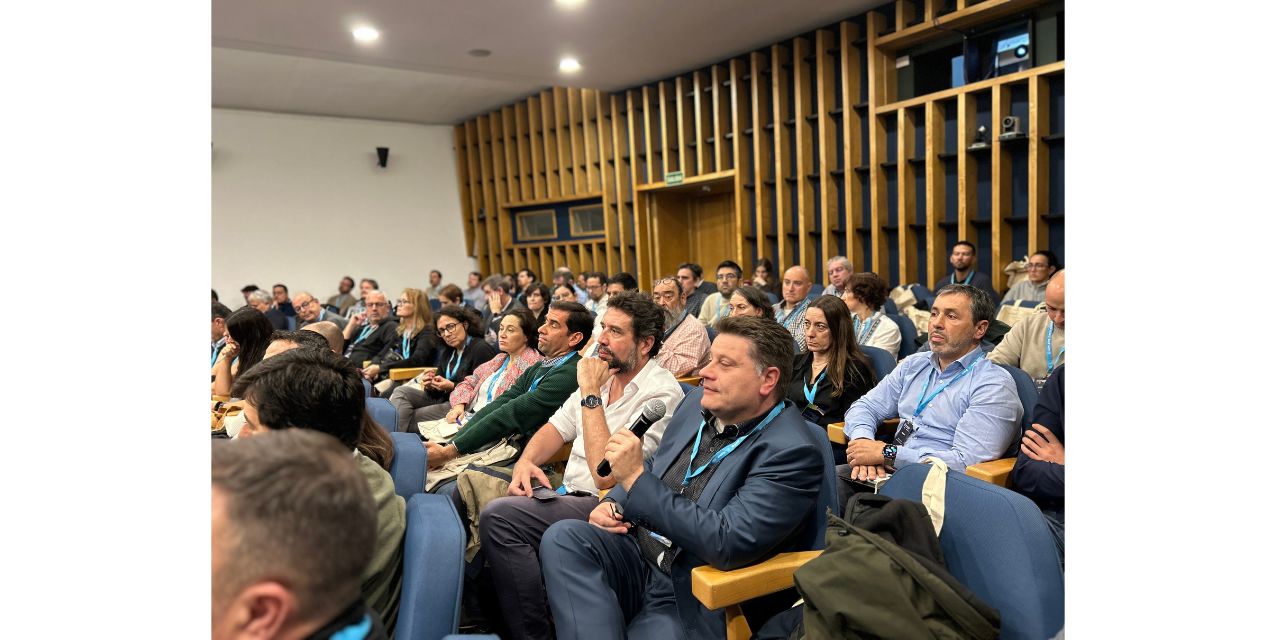
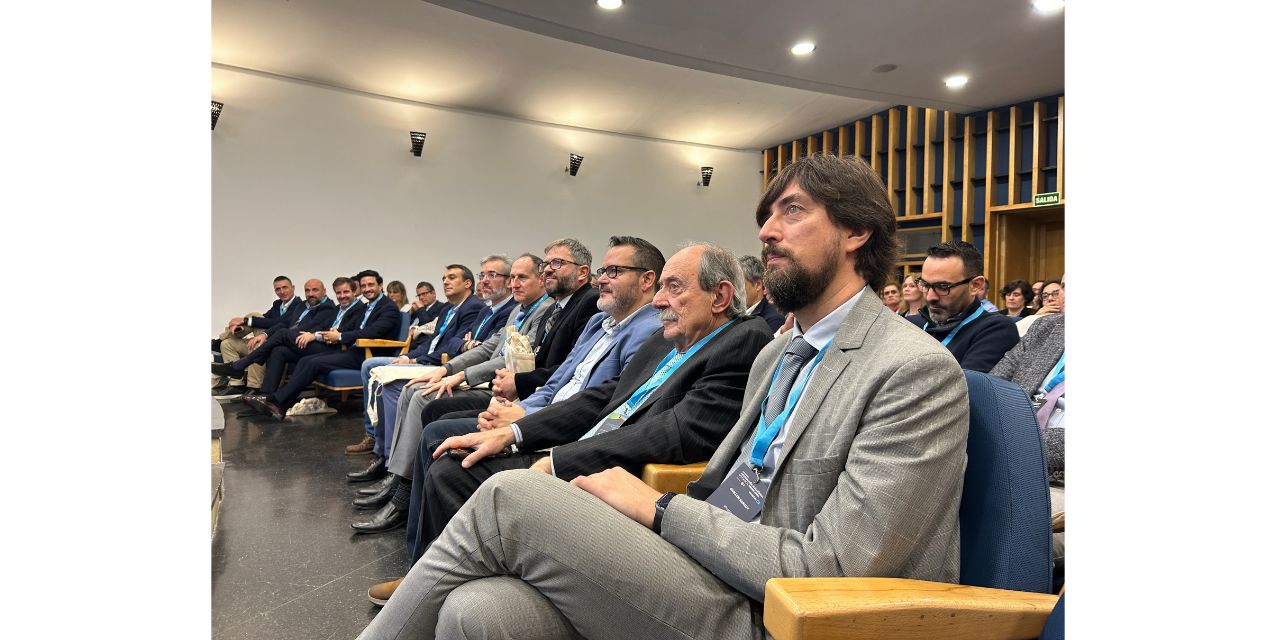
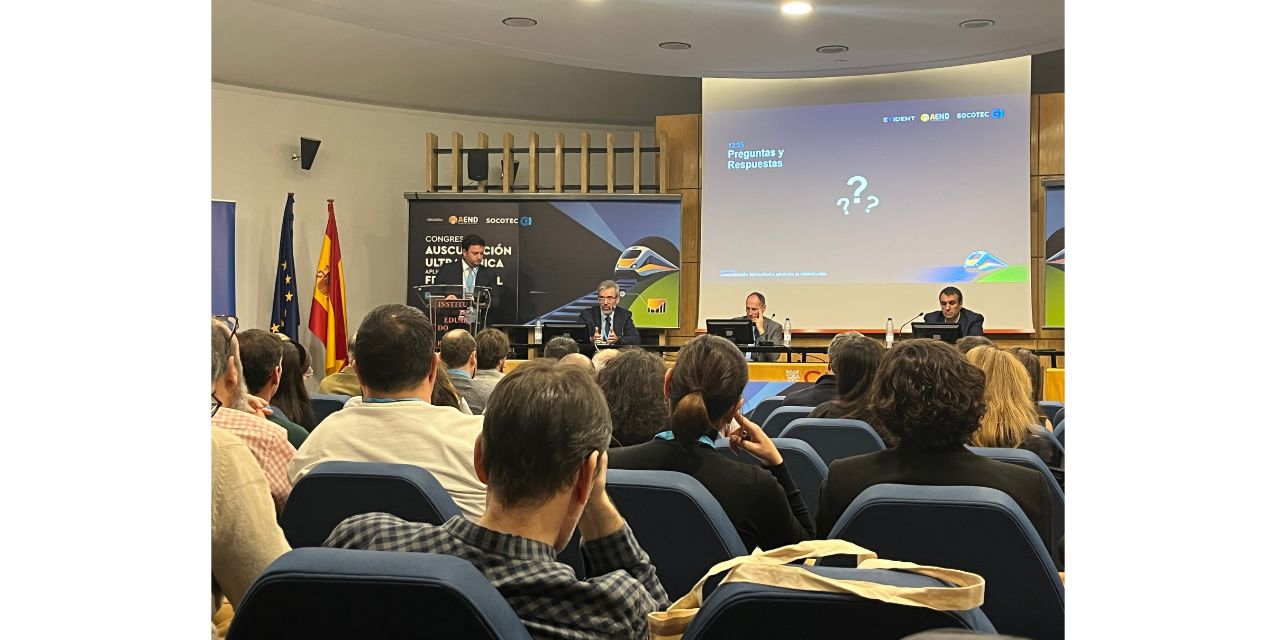
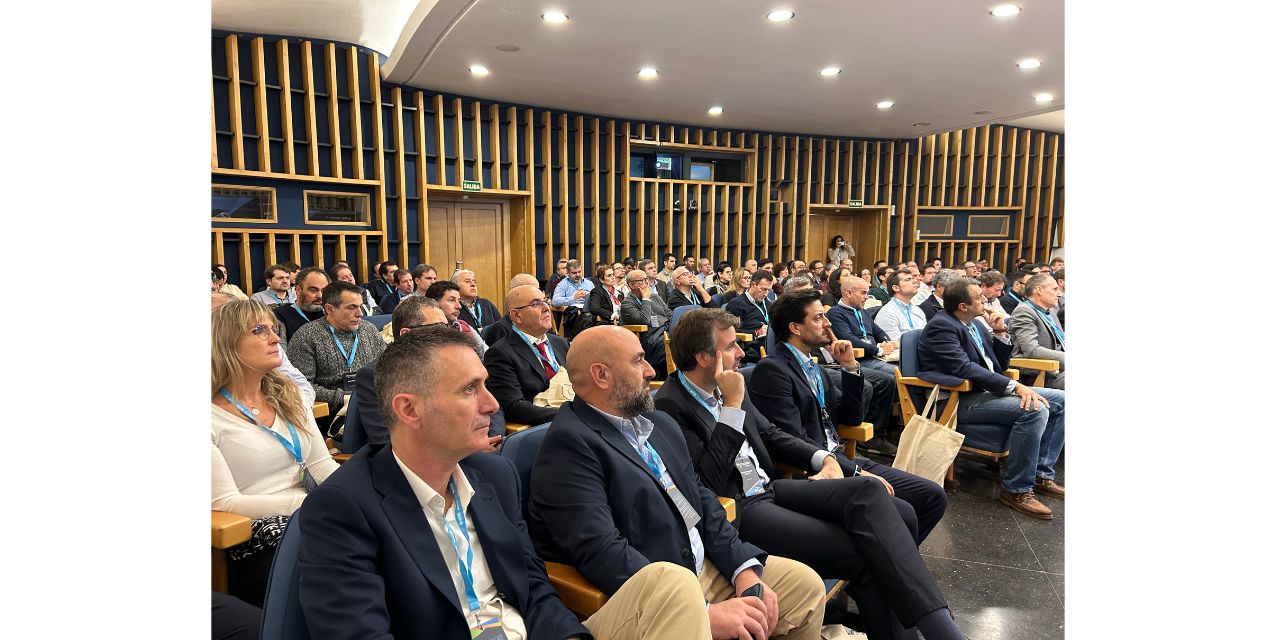
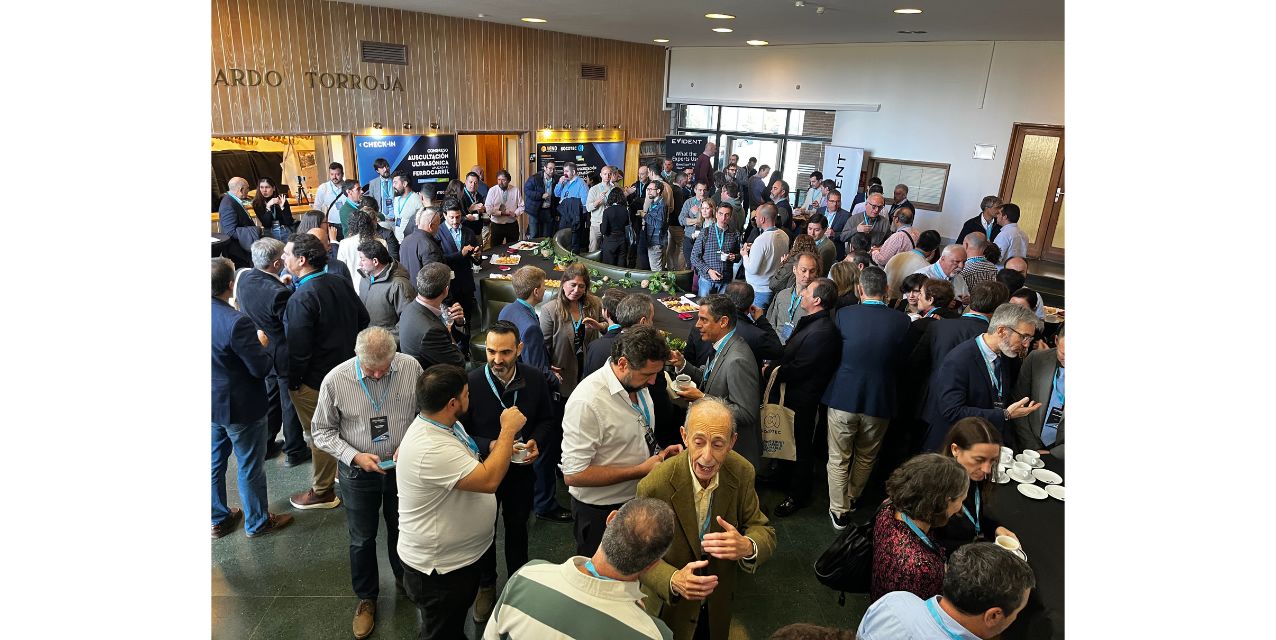
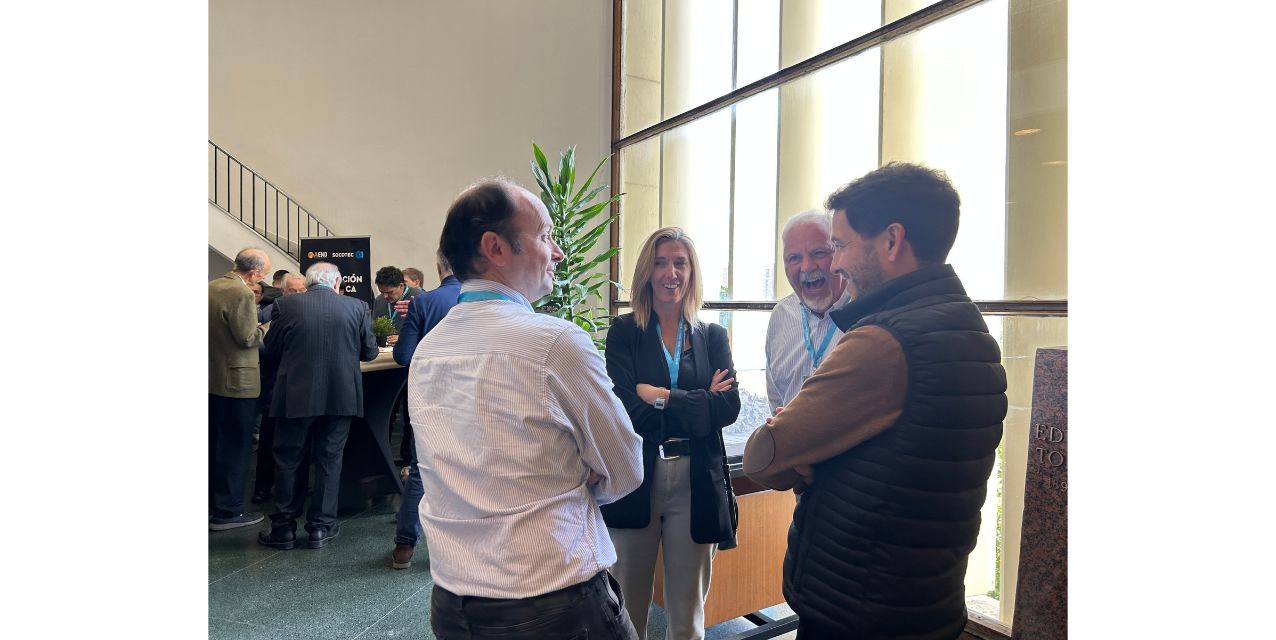
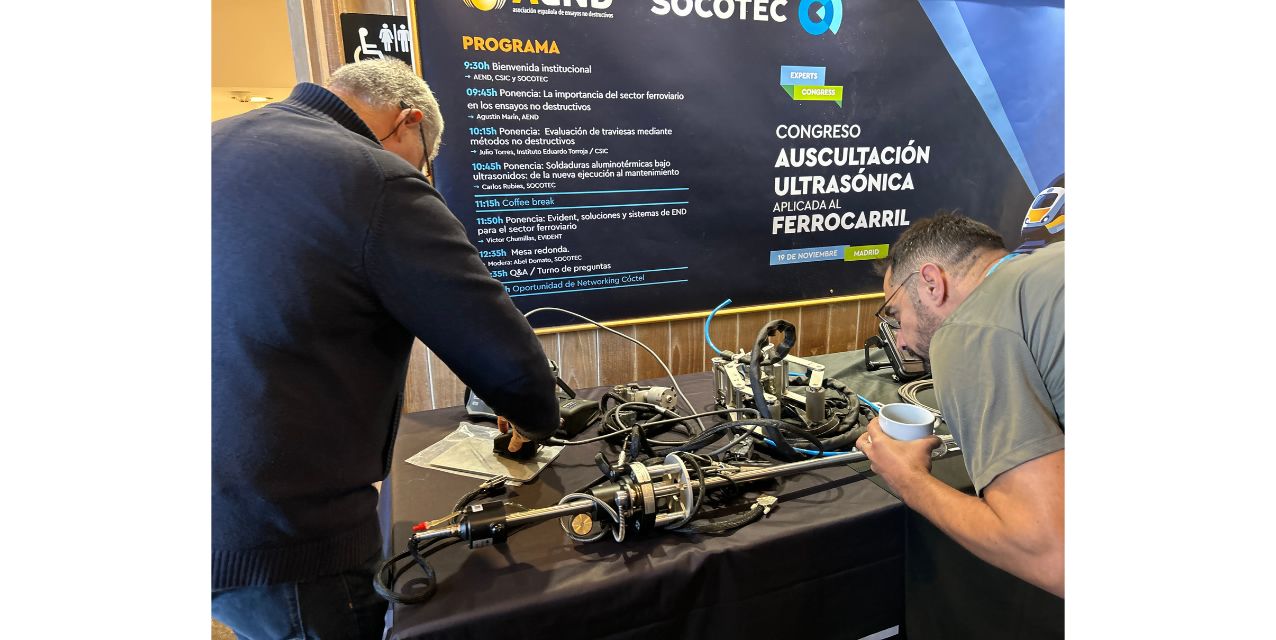
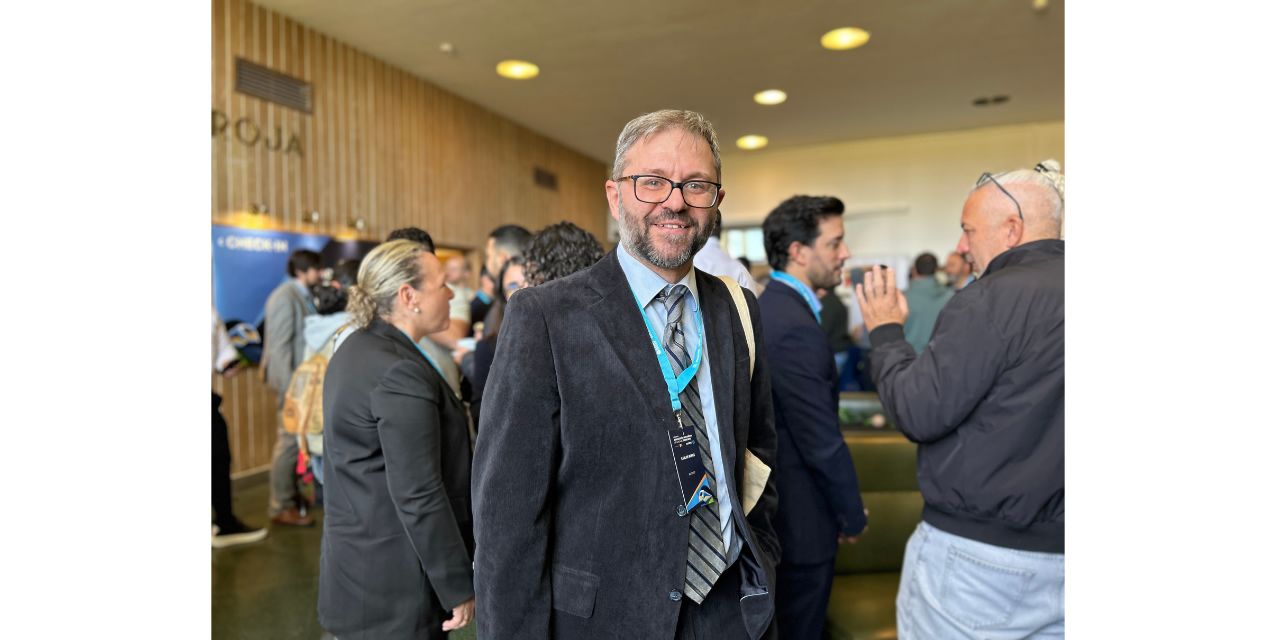
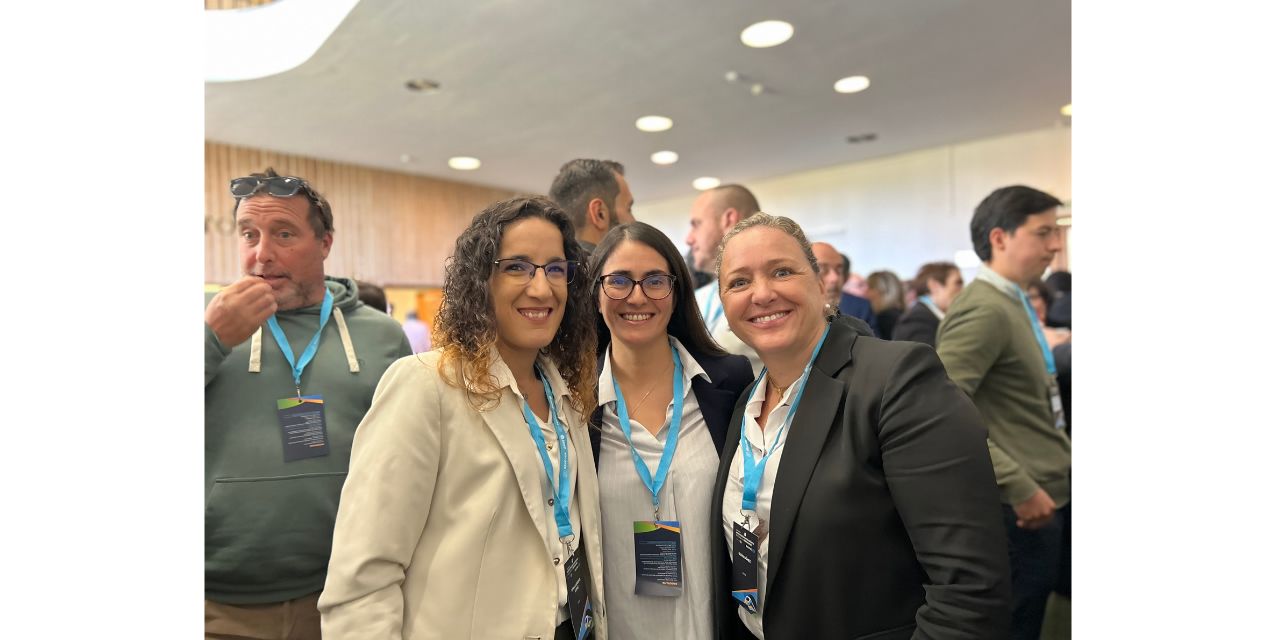
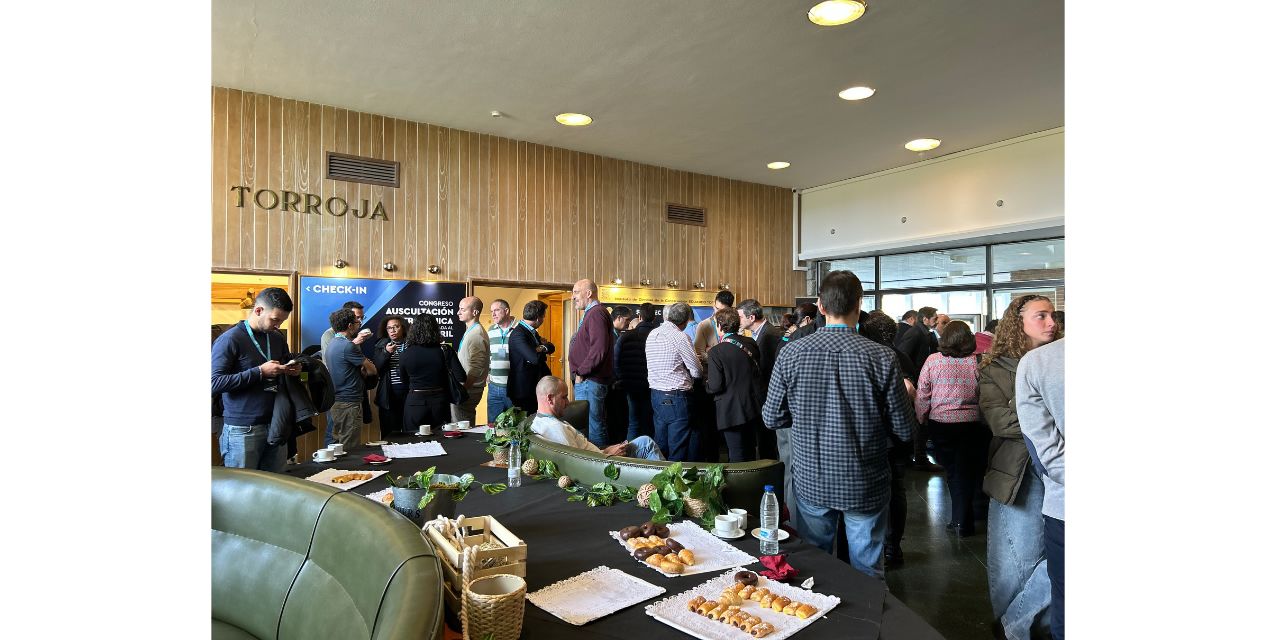
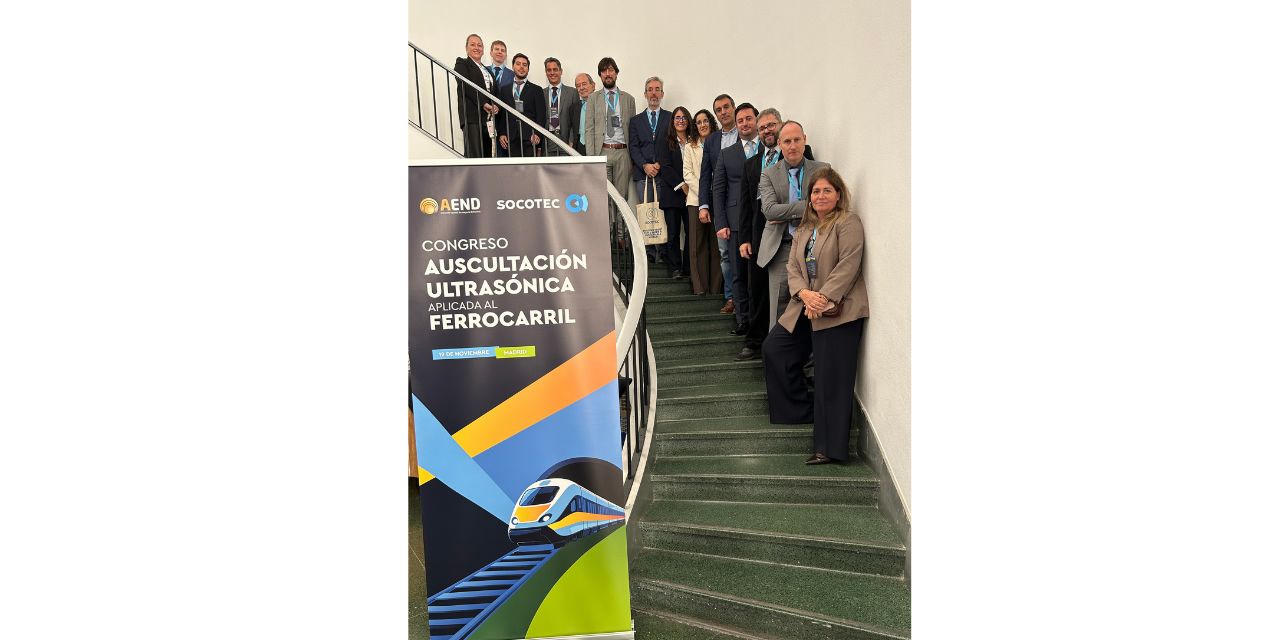
More than 150 industry professionals gathered at the Ultrasonic Auscultation Congress organized by SOCOTEC, a global leader in testing, inspection, and engineering solutions for construction and infrastructure, and the Spanish Association for Non-Destructive Testing (AEND), in collaboration with Evident and the Eduardo Torroja Institute (CSIC).
The event highlighted the opportunity to advance toward specific qualification for the railway sector and to consolidate standardized criteria in auscultation.
The development of railway infrastructure is a continuous workflow that begins at conception and design and culminates when the train operates with full safety assurance. Throughout this lifecycle, multiple stakeholders are involved, yet reliability and control remain cross-cutting pillars: from defining design parameters and ensuring construction management faithful to the project, to conducting periodic inspections that reveal the actual condition of the asset.
With this comprehensive vision, the Congress on Ultrasonic Auscultation Applied to Railways was held at the headquarters of the Eduardo Torroja Institute for Construction Sciences (IETcc-CSIC), bringing together leading industry experts.
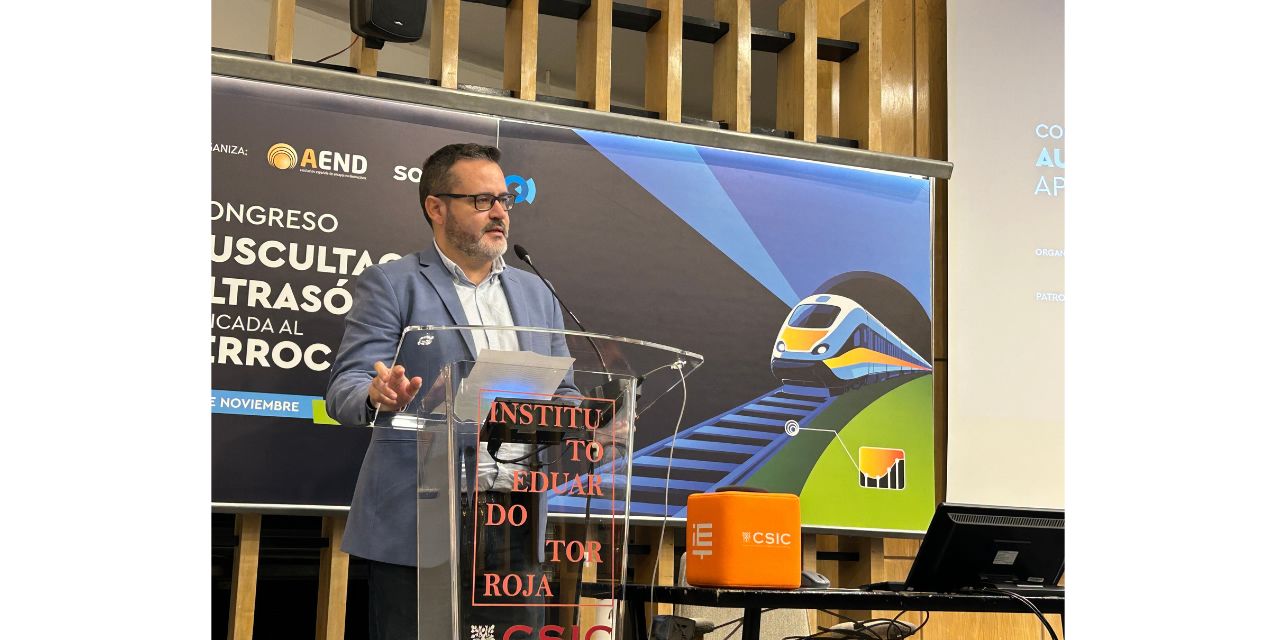
During the institutional opening—which included a minute of silence in memory of the victims of railway accidents—speakers emphasized the need to combine scientific knowledge, standardization, and field experience to tackle the sector's current challenges, as well as to strengthen prevention and technical rigor to guarantee infrastructure safety and reliability. These opening remarks were delivered by Guillem Baraut (CEO of SOCOTEC Spain), Emilio González Álvarez (President of AEND), and José Luis García Calvo (Deputy Scientific Director of IETcc-CSIC).
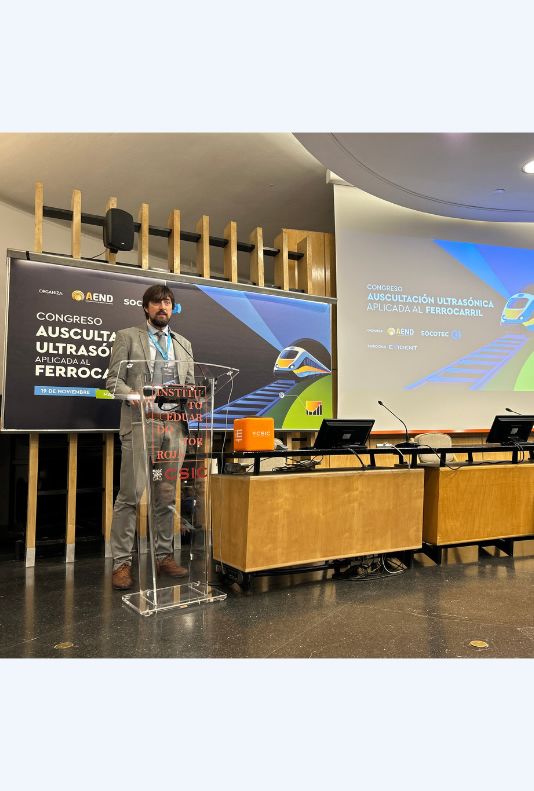
"Certified talent plus advanced technology is the formula to achieve reliability in the railway sector. At SOCOTEC, we are committed to this synergy, which is why we promoted this gathering alongside AEND and Evident: to align capabilities, share knowledge, and foster coordination across all teams in the industry."

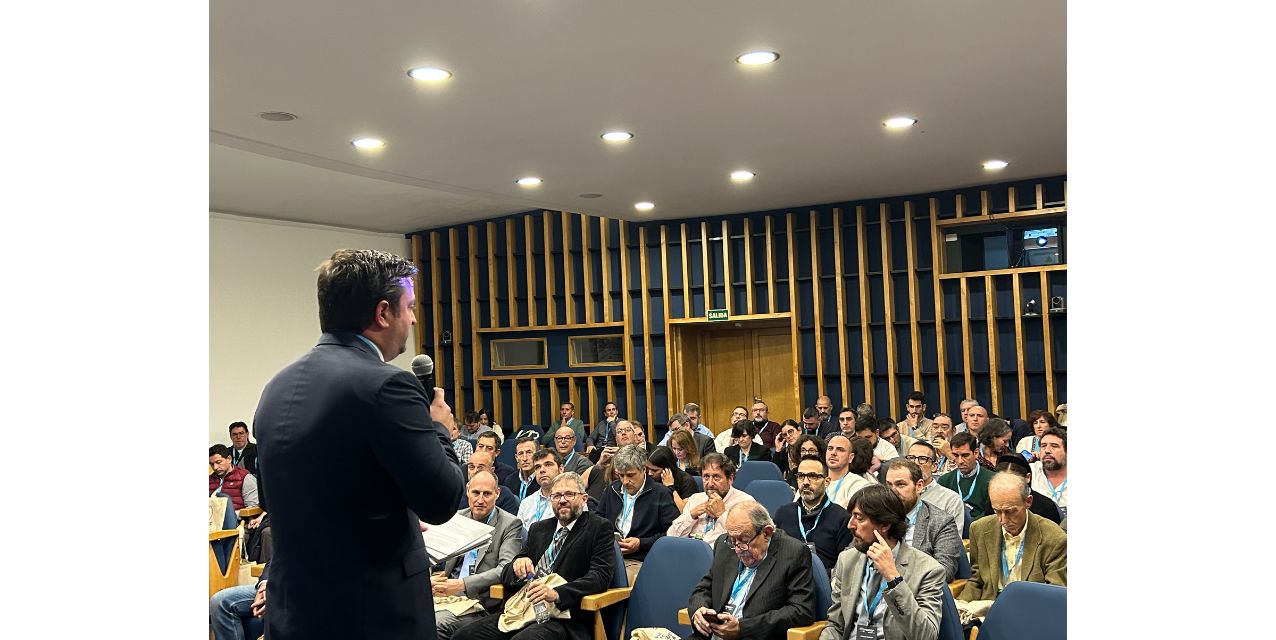
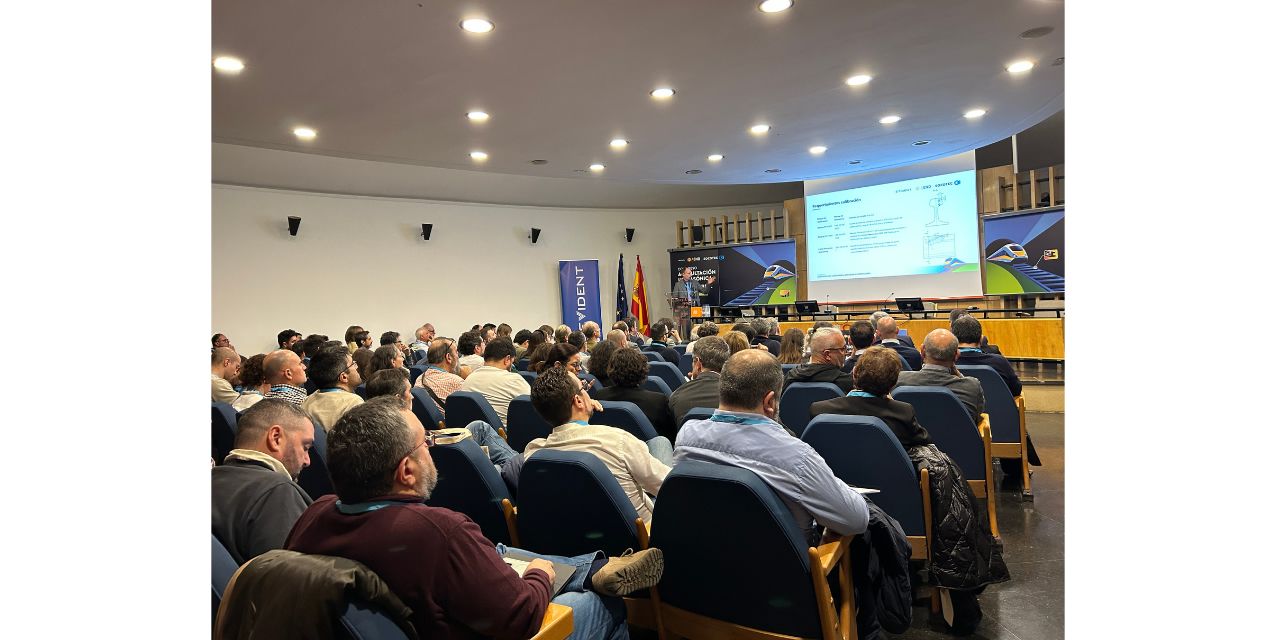

Agustín Marín - Technical Director of AEND
From regulations to the track: the challenge of certifying railway talent
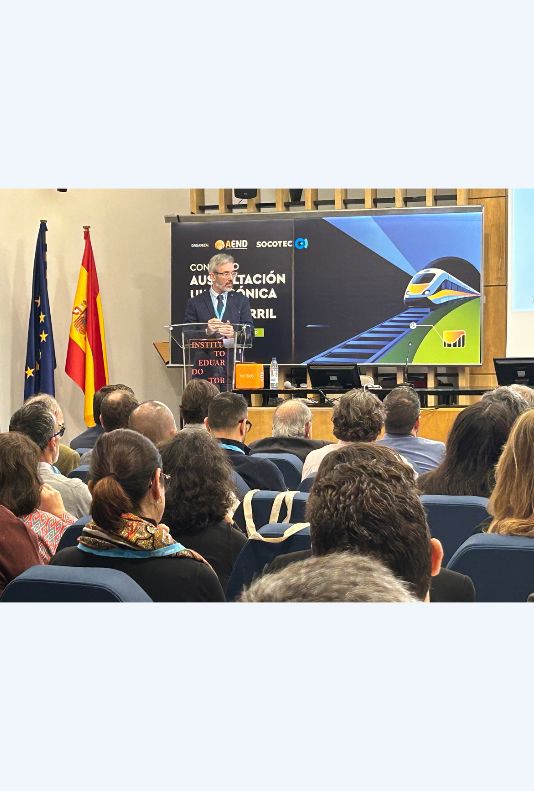
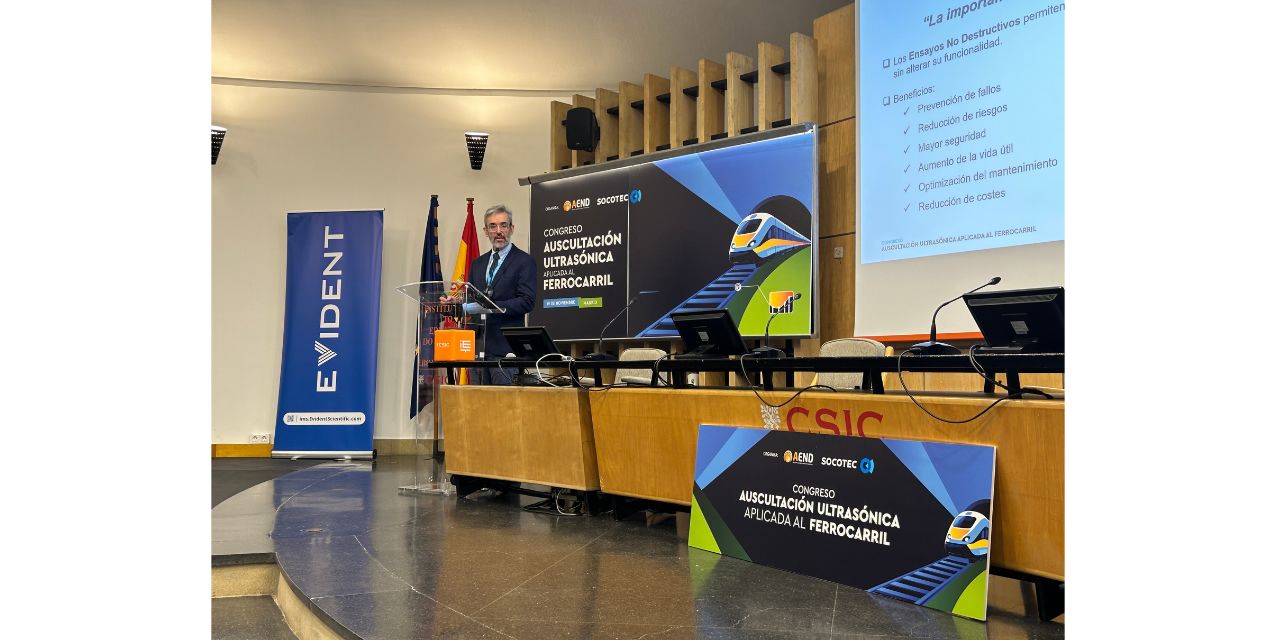
The technical block kicked off with the presentation by Agustín Marín, Technical Director of AEND, who positioned Non-Destructive Testing (NDT) as a key element within lifecycle management, maintenance, and European interoperability.
Marín brought one of the sector's major debates to the table: the need for current certifications (such as the UNE-EN ISO 9712 standard) to evolve toward genuine specialization in the railway sector, also announcing the creation of a sectoral working group within AEND scheduled for the first quarter of 2027.
"Today, no distinction is made between an Ultrasonic Level 2 technician working on a ship in the morning and on a railway track in the afternoon. It is a weld, yes, but the mechanism is completely different. We need to respond to industry demand and develop a specific qualification for the railway field."
Julio Torres Martín - Researcher at the Eduardo Torroja Institute (CSIC)
Looking inside the infrastructure: sleepers and welds under the magnifying glass
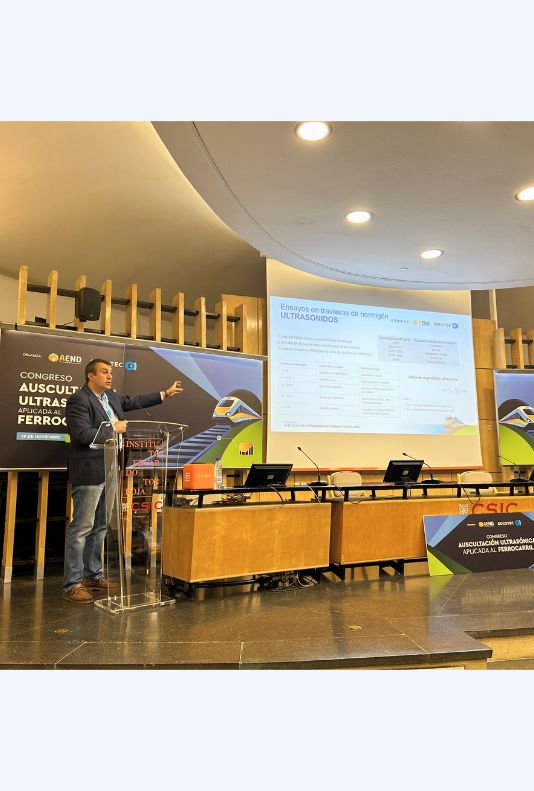
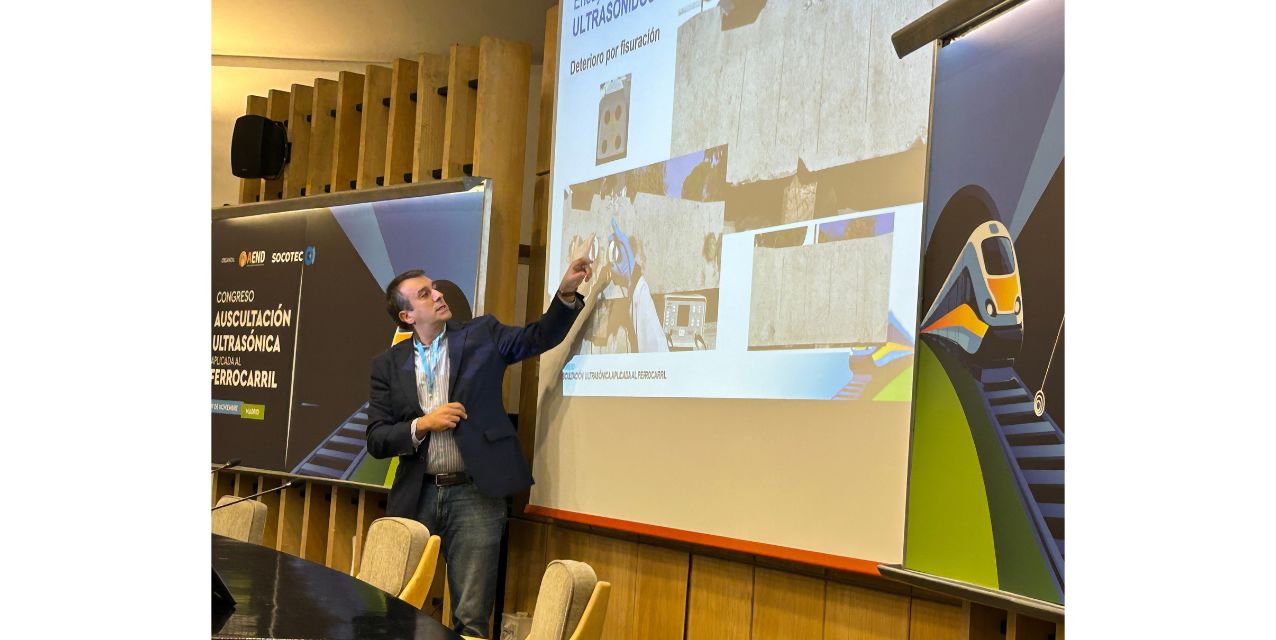
Next, Julio Torres Martín, Researcher at the Eduardo Torroja Institute (CSIC), addressed the evaluation of concrete sleepers using non-destructive methods (ultrasound, ground-penetrating radar, or Impact-Echo).
Torres explained that, while ultrasound provides valuable data on the internal condition of concrete, its interpretation requires experience and a comparative approach, also analyzing phenomena such as corrosion associated with stray currents in metropolitan networks.
"We must place infrastructure reliability and integrity as a benchmark criterion in asset management, above other considerations."
Carlos Rubies - Inspection Expert and Technical Management at SOCOTEC
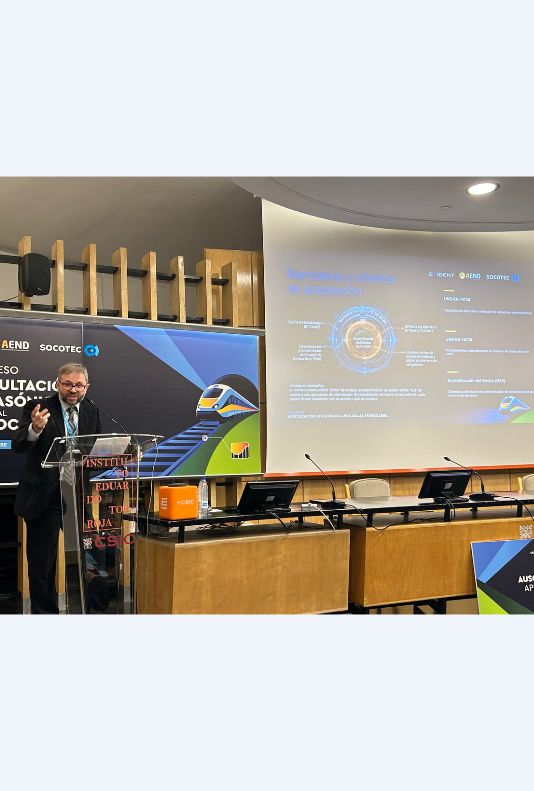
For his part, Carlos Rubies, Inspection Expert and Technical Management at SOCOTEC, delved into the ultrasonic inspection of aluminothermic welds, both in new construction and in-service maintenance.
Rubies broke down scanning strategies across different rail zones and argued that, beyond the instrumentation itself, the effectiveness of an auscultation is decided before ever stepping onto the track: through preparation and methodological rigor.
"The inspection procedure is the backbone of the test. If the technician arrives at the track with all steps, calibration blocks, and settings perfectly defined from minute zero, we not only gain productivity within very short track possession windows, but we also guarantee the reliability of the result."
Víctor Chumillas - NDT Specialist at Evident
Technological innovation at the service of the auscultation technician
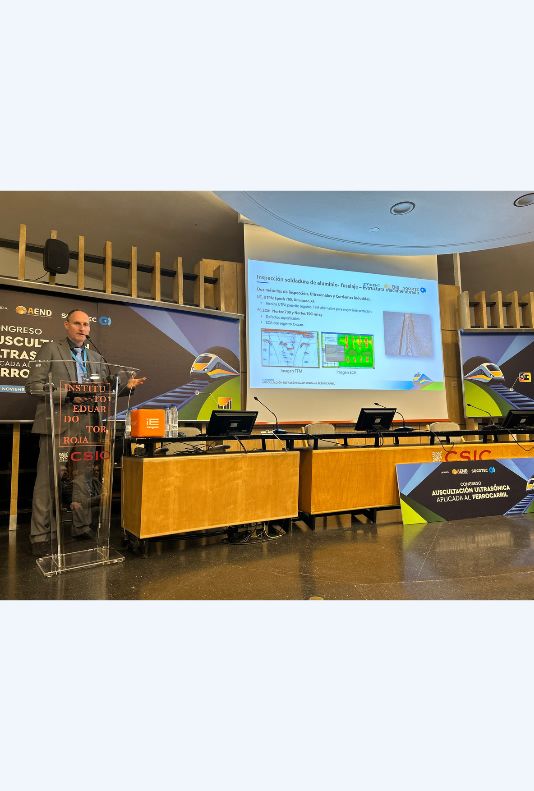
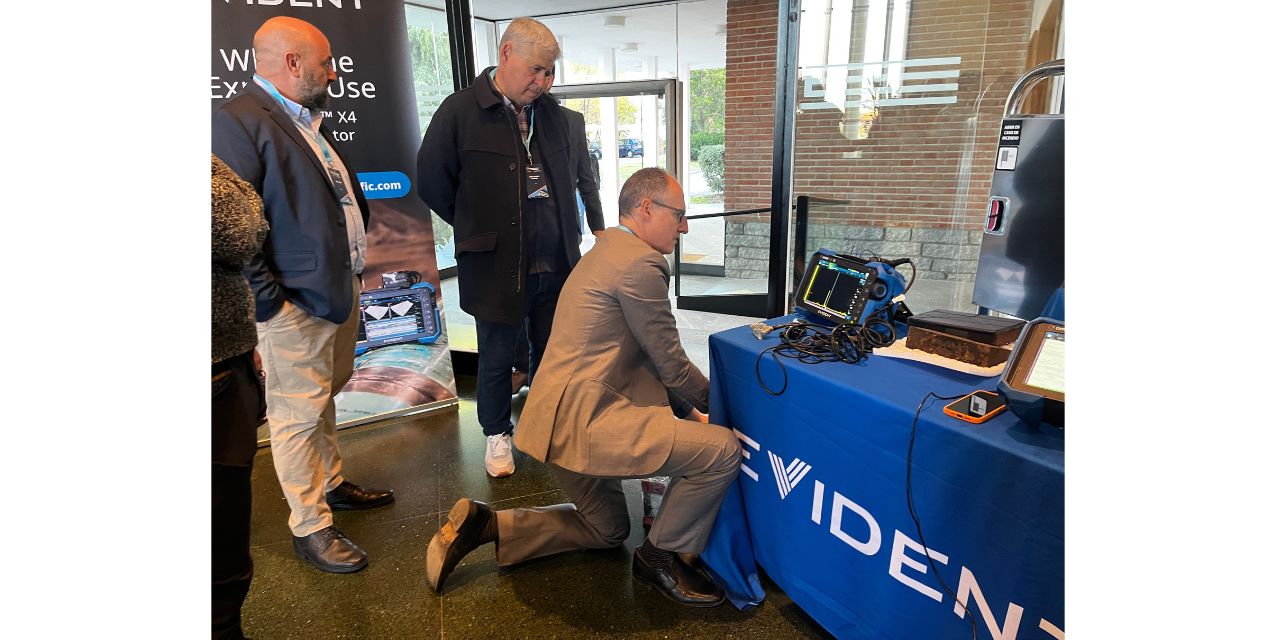
The technological perspective was presented by Víctor Chumillas, NDT Specialist at Evident, who showcased the latest inspection solutions for rolling stock (axles and wheels) and infrastructure (rails, turnouts, and welds).
Chumillas demonstrated how advanced techniques such as Phased Array (PAUT), the Total Focusing Method (TFM)—particularly decisive in manganese steels—and semi-automated and robotic systems are multiplying the sensitivity and traceability of testing.
"Instrumentation is constantly evolving to meet both the current demands of field technicians and the future regulatory frameworks that will chart the course of the railway sector."
Roundtable: Process Optimization, AI, Certification, and Common Criteria
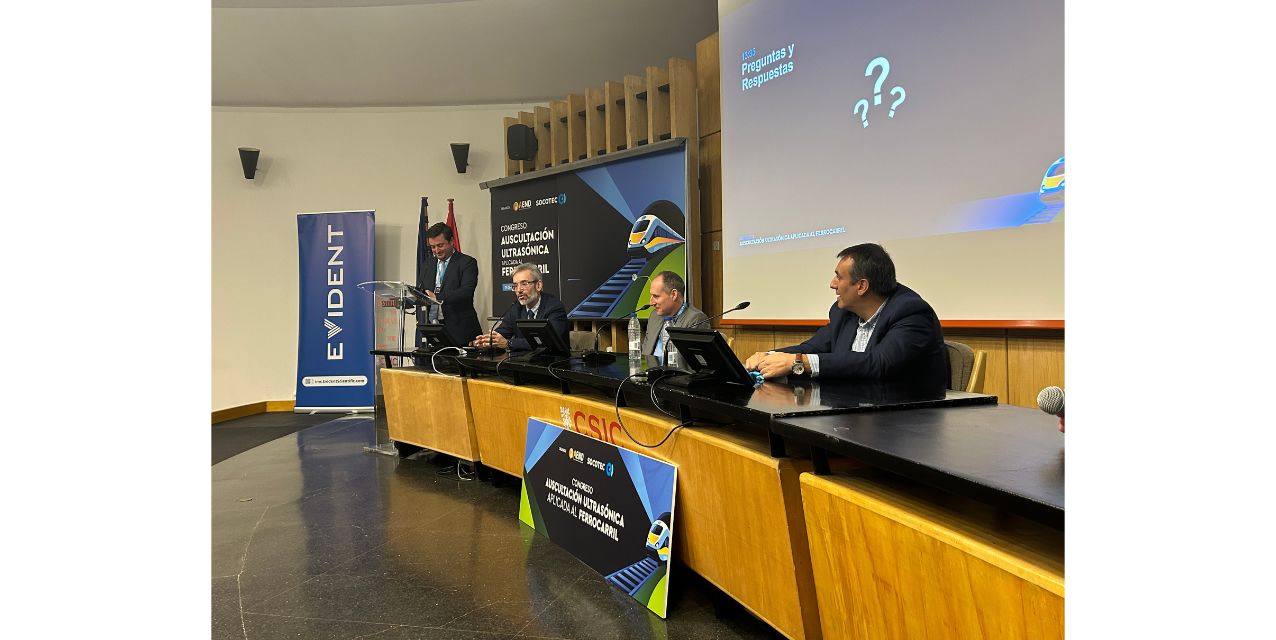
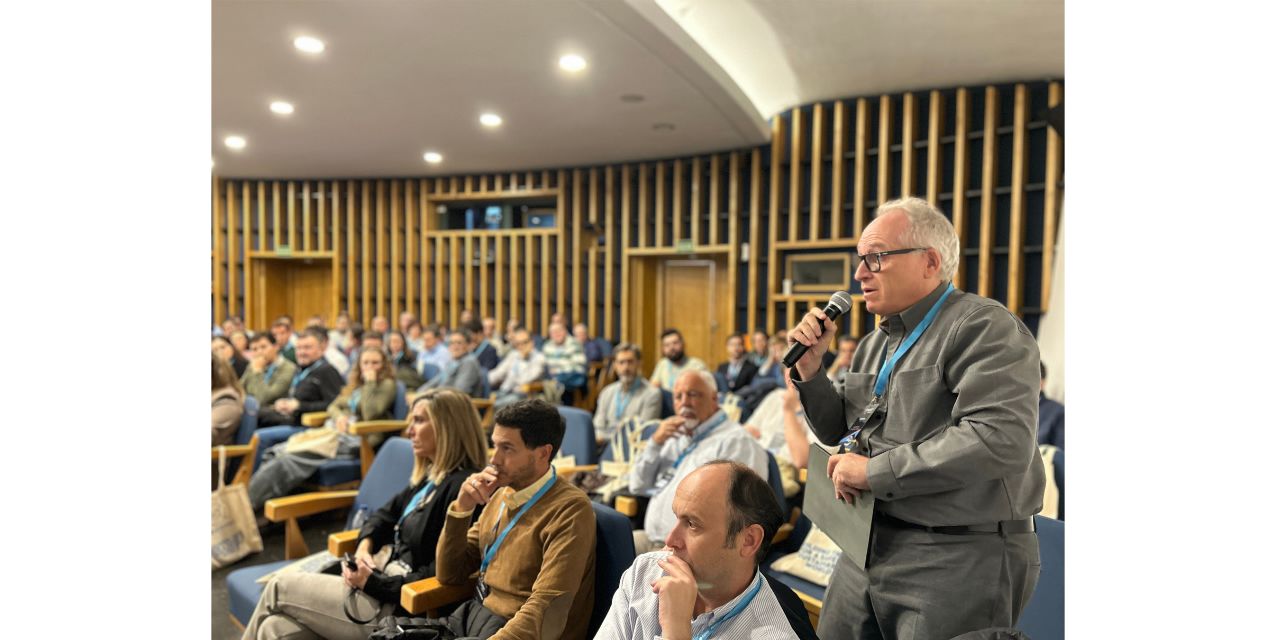
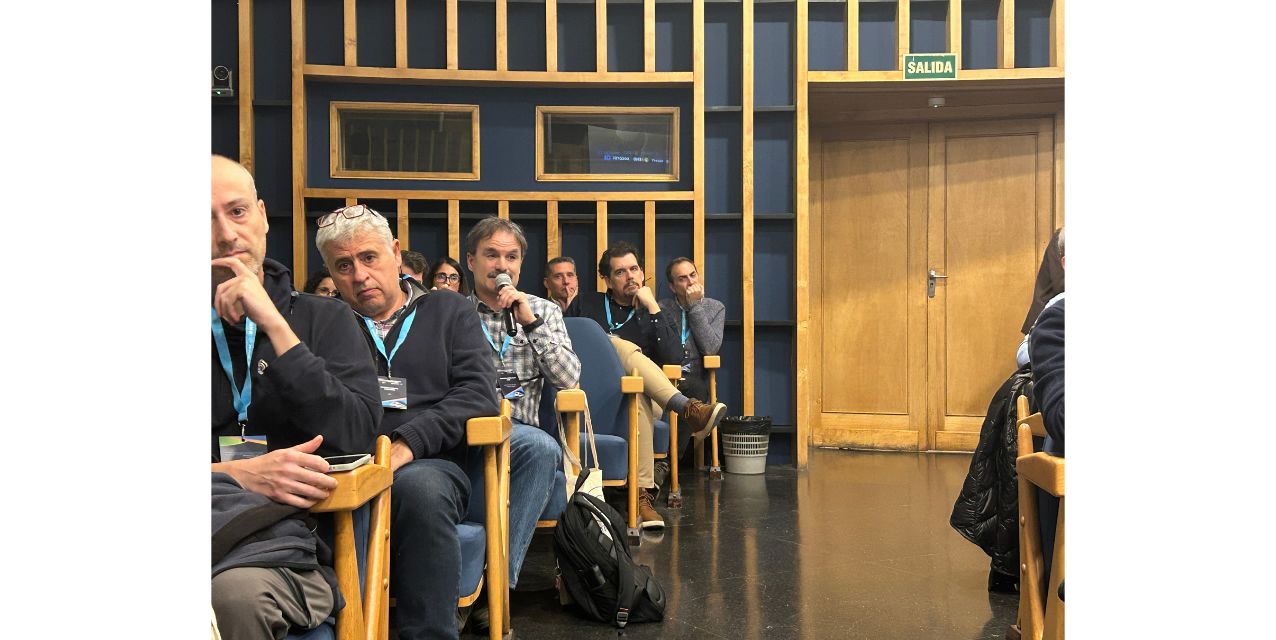
The closing session of the event featured a roundtable moderated by Abel Domato, General Director of Geotechnics, Testing, Inspection, and Auscultation at SOCOTEC Spain, with the participation of Agustín Marín (AEND), Julio Torres (IETcc-CSIC), Carlos Rubies (SOCOTEC), and Víctor Chumillas (Evident). The discussion, enriched by audience participation, addressed the practical and strategic aspects that will shape the evolution of the sector:
Process optimization and inspection times: Ways to gain field efficiency without sacrificing rigor were analyzed, with consensus on the value of Phased Array (PAUT), the potential to evolve toward strategies involving remote post-acquisition data analysis, better prior inspection preparation, and the support of artificial intelligence.
Scope and limits of Artificial Intelligence: It was noted that AI can add value by helping plan inspection strategies, facilitating signal interpretation, generating visual traceability mechanisms, and enabling live progress tracking of the inspection—always subordinate to the expert oversight of qualified personnel. Likewise, Julio Torres highlighted the difficulties AI faces in adapting to changes in inspection variables, making its training process complex and lengthy.
Comprehensive view of control elements: Beyond the rail or weld, speakers emphasized the importance of paying attention to other key factors for infrastructure integrity and reliability, such as fasteners, corrosion process monitoring, topographic control, and ground auscultation.
Sectoral certification vs. operator validation: Agustín Marín detailed the roadmap required to create a new railway sector within the technician certification program. Addressing suggestions from some attendees that each operator should internally validate its own technicians—as is done in other areas—Marín explained that this would be a subsequent phase, and that the priority is first to establish specific training and qualification with national acceptance, built through the involvement of all stakeholders: training and certification bodies, construction companies, infrastructure managers, and inspection entities.
Responsibility for acceptance criteria: In response to audience questions on how to unify inspection and acceptance criteria and who should establish them, it was clarified that responsibility lies with the infrastructure manager, backed by their Level 3 specialist or, failing that, by specialized external advisory services.
The role of the EMAT technique: When discussing the use of electromagnetic acoustic transducers (EMAT) as an alternative to conventional ultrasound, participants agreed that they do not replace ultrasound due to their lower penetration capacity and sensitivity, making them a better fit as a complementary method comparable to techniques such as liquid penetrants, magnetic particles, or Eddy Current.
magnéticos (EMAT) como alternativa a los ultrasonidos convencionales, se coincidió en que no sustituyen a los ultrasonidos debido a su menor capacidad de penetración y sensibilidad, por lo que encajan mejor como método complementario equiparable a técnicas como líquidos penetrantes, partículas magnéticas o Eddy Current.
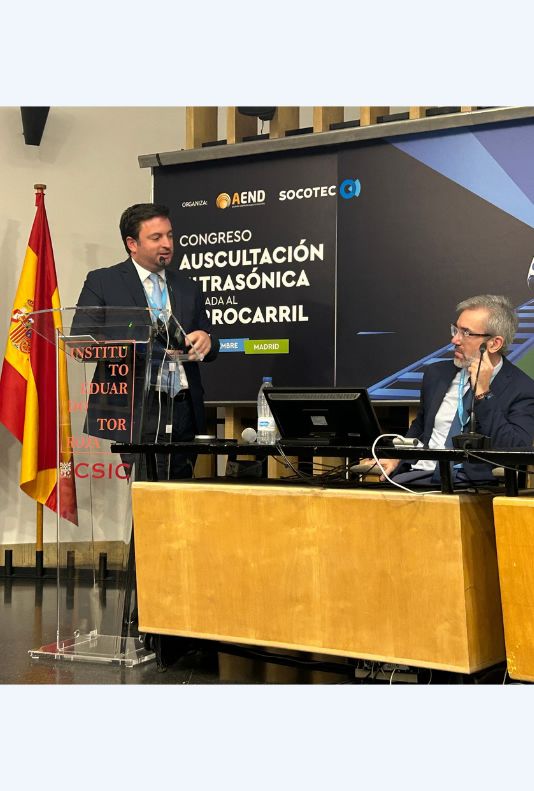
"Railway reliability stems from an exact formula: highly qualified and certified professionals, backed by precise and reliable technology. At SOCOTEC, we are committed to promoting these gathering spaces alongside leading benchmarks such as AEND, the Torroja Institute, and EVIDENT so that all links in the chain work under a single coordination."
SOCOTEC's expertise in the railway sector
With a solid track record in major transport infrastructures—ranging from high-speed networks and conventional rail to urban metros and trams—at SOCOTEC, a global leader in testing, inspection, and engineering solutions for construction and infrastructure, we provide comprehensive technical support throughout the entire lifecycle of the railway asset.
Our approach spans from testing, real-time auscultation, monitoring, and geotechnics, materials quality control, and advanced Non-Destructive Testing (NDT)—both on track and rolling stock (axles, wheels, and welds)—to technical assistance and site supervision.
Through its engineering capabilities, SOCOTEC also offers engineering and design services, including project drafting, BIM methodology, and structural calculation.
By combining highly qualified teams with cutting-edge technology, we help infrastructure managers, operators, and engineering firms ensure maximum reliability, durability, and operational excellence on every project.